Hope Pro 2 Evo MicroSpline Freehub Body Review: Shimano 12-Speed Fit
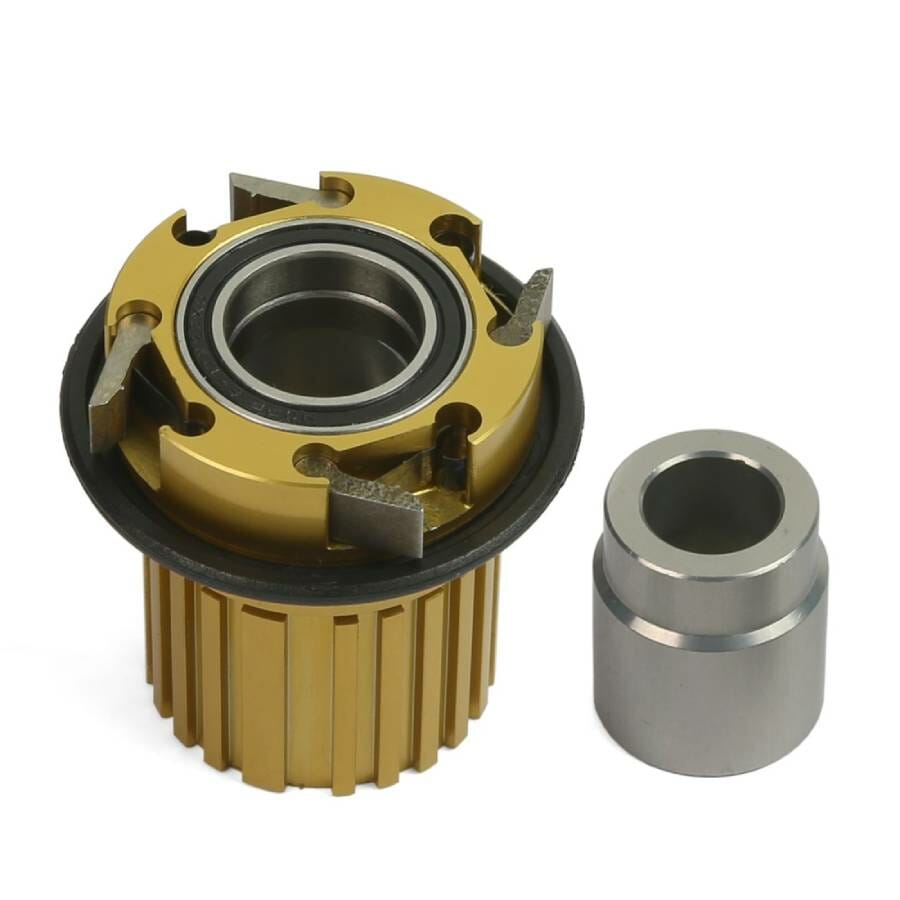
This Hope Pro 2 Evo MicroSpline freehub body review is for riders trying to keep an older Pro 2 Evo wheel working with a Shimano 12-speed MicroSpline cassette. It is a small part with a very specific job: it lets the right Pro 2 Evo rear hub run the cassette standard used by many Shimano 12-speed MTB drivetrains. That sounds simple, but this is exactly the kind of compatibility part where the wrong version is useless. The hub model, cassette standard, axle setup, and end cap all matter.
That is the useful way to review it. This is not a performance upgrade you buy because it looks nice in a parts drawer. It is a way to keep a good older Hope wheel alive when the rest of the drivetrain has moved to Shimano 12-speed.
Quick verdict
Buy the Hope Pro 2 Evo MicroSpline freehub if you already have a compatible Pro 2 Evo rear hub and you want to run a Shimano 12-speed MicroSpline cassette. Skip it if your hub is the older Pro 2, if your cassette is HG or SRAM XD, or if you are not sure which axle/end-cap version your wheel needs.
The best reason to buy it is simple: it can save a good wheel from becoming obsolete during a drivetrain change. The biggest reason to pause is also simple: the compatibility window is narrow.
Fast Compatibility Answer
| Buy it if | You have a compatible Hope Pro 2 Evo rear hub and need a MicroSpline freehub body for a Shimano 12-speed cassette. |
|---|---|
| Do not buy it for | Older Hope Pro 2 hubs, Pro 4 hubs, Pro 5 hubs, HG cassettes, SRAM XD/XDR cassettes, or any hub you have not identified properly. |
| Main phrase to remember | Hope Pro 2 Evo MicroSpline freehub body, not just old Hope freehub. |
| Biggest check | Confirm hub generation, axle/end-cap version, cassette standard, and hub condition before ordering. |
What this freehub actually does
This freehub body changes the cassette interface on a Hope Pro 2 Evo rear hub so it can accept Shimano MicroSpline 12-speed cassettes. Shimano’s own freehub compatibility guide explains why that matters: MicroSpline is the standard Shimano uses for many 1×12 MTB drivetrains and some 1×12 gravel setups, especially when the cassette uses a 10-tooth smallest sprocket.
So the question is not whether MicroSpline is better in general. The question is whether your cassette needs it. If you are moving to a Shimano Deore, SLX, XT, or XTR 12-speed MTB cassette, MicroSpline is usually the freehub body you are trying to solve for.
Pro 2 Evo Freehub Body Compatibility
The trap is in the hub name. Pro 2 Evo and Pro 2 are not safe to treat as the same thing when ordering small hub parts. Hope’s hub document page still separates Pro 2 Evo rear hub documents from older Pro 2 rear hub documents, which is a good reminder that the exact generation matters.
If you only know that your hub says Hope and looks old, stop there. Pull the wheel, identify the hub properly, and check the axle/end-cap arrangement before buying. A freehub body is not the place to guess.
Compatibility checklist before buying
Before ordering this freehub, check four things:
- Your hub is a Hope Pro 2 Evo rear hub, not just an older Hope Pro 2.
- Your cassette is Shimano MicroSpline 12-speed, not HG or SRAM XD.
- Your axle/end-cap version matches the freehub option you are buying.
- Your existing hub bearings, axle, pawls, and seals are worth servicing rather than replacing the whole hub or wheel.
That last point is practical. If the wheel is already tired, the rim is worn, or the hub has other problems, spending money on a cassette-body conversion may not be the best first move.
Why MicroSpline is the reason this part exists
Traditional Shimano HG freehubs work with many older Shimano and SRAM cassettes, but they do not accept Shimano’s MicroSpline cassette fit. SRAM XD is a different standard again. This is why riders often get caught when changing drivetrains: the derailleur and shifter may be obvious, but the cassette body decides whether the cassette can physically go on the wheel.
For a Pro 2 Evo owner, this freehub is the bridge between an older but serviceable Hope hub and a newer Shimano 12-speed drivetrain. That is its real value.
Aluminium body: good for weight, worth checking for cassette bite
This version is an aluminium freehub body. That keeps weight down, but aluminium cassette bodies can show marks from cassette sprockets, especially when individual steel sprockets dig into softer material. That does not automatically make the part bad, but it does mean cassette choice and maintenance matter.
If you are heavy on drivetrains, ride in bad weather, or swap cassettes often, inspect the splines during service. A cassette that has bitten deeply into the body can be annoying to remove later.
What real owner feedback suggests
Public feedback on this exact Pro 2 Evo MicroSpline body is not huge. The useful signal from available owner feedback is fairly boring, which is good for a compatibility part: when the correct version is chosen, installation can be straightforward and Shimano XT M8100 cassette fitment appears to be the kind of use case riders are buying it for.
The same feedback pattern also points to the obvious downside: it is not cheap compared with the value of some older wheels. That is why the decision should start with the condition of the hub and wheel, not just the desire to run a new cassette.
Installation notes
This is a small hub-service job, not a drivetrain tuning trick. Expect to remove the old freehub body, keep track of pawls and springs, inspect the seal and bearings, lightly lubricate the correct contact points, and make sure the end cap is seated correctly.
If the pawls fall out, the spring is damaged, or the old freehub is gritty, do not rush the swap. Clean the hub carefully and inspect the parts before putting everything back together. A new cassette body will not fix a contaminated or damaged ratchet system by itself.
When it makes sense
This freehub makes sense if your Pro 2 Evo wheel is otherwise worth keeping. It is especially sensible when the rim is good, the hub bearings are serviceable, and the only thing blocking the drivetrain change is the cassette interface.
It also makes sense for riders who like Hope hubs because they can be kept going with small parts. That serviceability is the whole point here: keep the useful wheel, change the part that no longer matches the drivetrain.
Who should skip it
Skip it if your hub is not definitely a Pro 2 Evo. Also skip it if you are using SRAM XD, Shimano HG, or a cassette that does not require MicroSpline. Buying MicroSpline because it sounds newer is how you end up with a part that does not fit the cassette you own.
It may also be the wrong spend if the wheel is near the end of its life. In that case, a newer hub or wheel build may be a cleaner long-term choice than investing in an old platform one part at a time.
Pros and cons
Pros
- Lets a compatible Pro 2 Evo hub run Shimano MicroSpline 12-speed cassettes.
- Can keep a good older Hope wheel useful during a drivetrain change.
- Fits the serviceable Hope hub ecosystem.
- Useful when the wheel is otherwise still in good condition.
Cons
- Narrow compatibility window: Pro 2 Evo, not every old Hope hub.
- Axle/end-cap version must be correct.
- Aluminium bodies can show cassette bite over time.
- Price can feel high if the wheel itself is already tired.
Alternatives to consider
If your cassette is not Shimano MicroSpline, the alternative is not this part. It is the correct HG or XD freehub body for your hub. If your hub is the wrong generation, the alternative may be a different Hope freehub body, a hub rebuild, or a newer wheel.
If the wheel is being rebuilt anyway, compare the cost of this freehub plus service parts against a newer hub platform. Sometimes the old Hope wheel is worth saving. Sometimes the maths points the other way.
Related Hub Fitment Support
This MicroSpline body is only sensible if the old Pro 2 Evo wheel is still worth keeping. If the rim, bearings, axle, pawls, or freehub seal are already tired, compare the cost of the conversion with a newer hub or wheel build.
For a newer-platform decision, read the Hope Pro 5 vs Pro 4 hub comparison. If you are deciding whether Hope hubs are worth maintaining long term, use the Hope hubs serviceability guide.
FAQ
Is this the right Hope Pro 2 Evo MicroSpline freehub body for Shimano 12-speed?
It can be, but only if your rear hub is a compatible Hope Pro 2 Evo and your cassette is Shimano MicroSpline. Confirm the hub generation and axle/end-cap version before ordering.
Does this fit every Hope Pro 2 hub?
No. This review is about the Pro 2 Evo MicroSpline freehub body. Do not assume it fits an older Pro 2 rear hub without checking the exact hub and part compatibility.
Is MicroSpline the same as Shimano HG?
No. MicroSpline and HG are different cassette/freehub interfaces. Shimano’s 12-speed MTB cassettes commonly use MicroSpline, while many older Shimano cassettes use HG.
Does this work with SRAM Eagle?
Not if the cassette needs SRAM XD. Some SRAM Eagle cassettes use HG, but XD and MicroSpline are different standards. Match the freehub to the cassette, not just the number of speeds.
Is aluminium a problem?
Not automatically. Aluminium saves weight, but cassette bite is worth checking during service. Riders who are rough on drivetrains should inspect the splines when the cassette is off.
Should I replace the whole wheel instead?
If the rim, spokes, and hub are still good, this freehub can be a sensible conversion. If the wheel is already worn out, replacing or rebuilding the wheel may be smarter.
Final take
The Hope Pro 2 Evo MicroSpline freehub is a good buy when it solves one clear problem: keeping a compatible Pro 2 Evo rear wheel while moving to Shimano 12-speed MicroSpline. It is not a casual upgrade and it is not universal. Identify the hub, choose the correct axle/end-cap version, confirm the cassette standard, and then it makes sense.