Hope Tech 4 Evo Master Cylinder Complete Review: Fitment, Bleed Notes, and When To Replace It
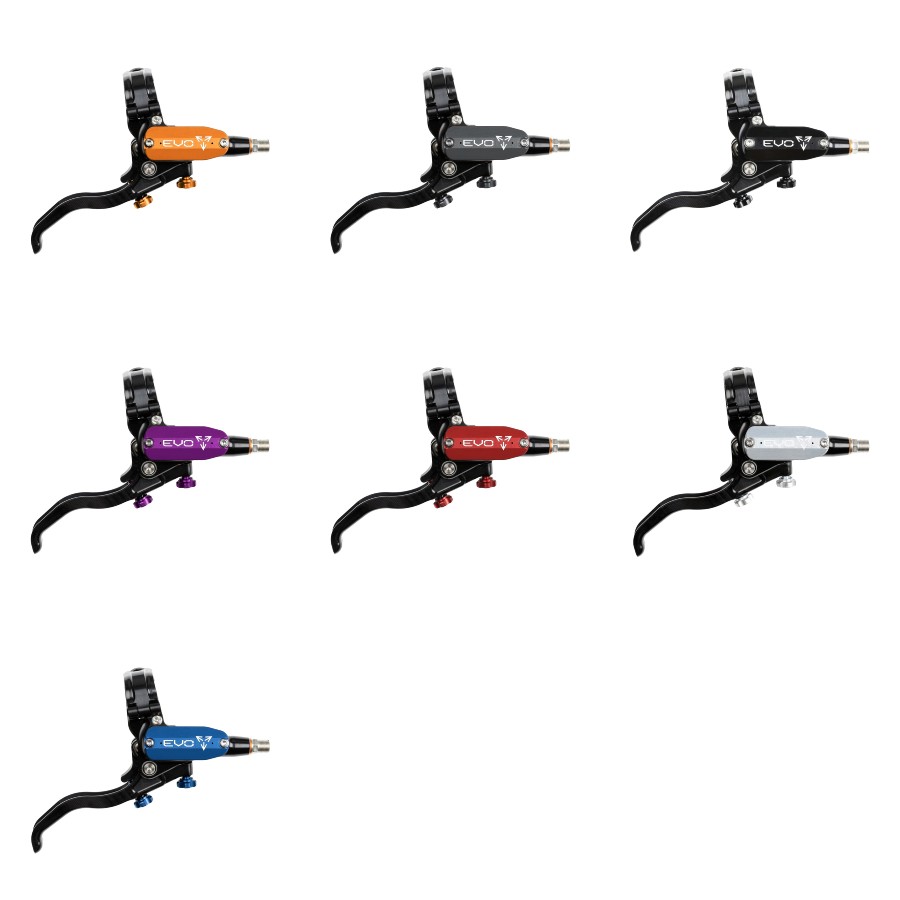
The Hope Tech 4 Evo Master Cylinder Complete is the replacement lever-body assembly for riders who want to repair or rebuild the control end of a Hope Tech 4 Evo brake without replacing the whole brake system. It is not the caliper, not the hose, and not just a lever blade. It is the main master-cylinder side of the brake: the part your finger actually controls.
That makes it a sensible spare when a lever body is damaged, worn, or being rebuilt around a specific side and color. It also makes it a part you should buy carefully. Side, brake generation, caliper compatibility, hose routing, bleed process, and small hardware all matter.
Quick Verdict
The Hope Tech 4 Evo Master Cylinder Complete makes sense if your Tech 4 Evo lever body is damaged, you are refreshing a brake around a new master-cylinder assembly, or you want to keep an otherwise good Hope brake in service instead of buying a full new brake. Hope brakes are built around serviceability, and the master cylinder is one of the parts that makes that possible.
It is not the first thing I would buy for a vague lever-feel problem. Before replacing the complete master cylinder, check the bleed, pads, rotor thickness, caliper piston movement, hose condition, lever blade hardware, and bite/reach settings. A full assembly is useful when the lever body itself is the problem, but it is overkill for a simple air-in-system or setup issue.
Who It Is For
This part is for riders, mechanics, and home builders working on Hope Tech 4 Evo brakes who need the complete lever/master-cylinder assembly rather than a small seal, blade, clamp, or bleed part.
It is most useful when:
- The lever body has crash damage.
- The master cylinder is worn or contaminated beyond a normal bleed/service.
- You are rebuilding a brake and want a fresh control assembly.
- You need a specific left or right lever assembly.
- You want to keep a good caliper and hose but replace the control end.
- You prefer repairing premium brakes instead of replacing the entire system.
Key Compatibility Checks
The first check is brake generation. This article is about the Tech 4 Evo master-cylinder assembly, not older Tech 3, older Tech Evo, Race Evo, or non-Evo lever bodies. Hope has changed lever and master-cylinder designs over time, so similar naming can be misleading.
The second check is caliper pairing. Hope publishes a master-cylinder and caliper compatibility chart, and that should be treated as the main fitment source before mixing lever bodies and calipers. Do not assume every Hope lever can be paired with every Hope caliper just because the hose fitting looks familiar.
The third check is side. Brake levers are side-specific in normal setups. Before buying, confirm whether you need the left or right assembly based on your brake layout and country/moto preference.
What Comes With A Complete Master Cylinder?
A complete master-cylinder assembly usually means the lever body/control assembly rather than every part in the full brake system. The exact small-parts bundle can vary by retailer and option, so check the current listing before ordering if you need a clamp, lever blade, bite-point hardware, hose fitting, or other small parts included.
Hope’s Tech 4 Evo exploded-view document is useful because it separates the master cylinder, lever blade, adjusters, seals, clamp hardware, and other small parts. If the exploded diagram shows the smaller part you actually need, buying the complete master cylinder may not be necessary.
When Replacing The Complete Assembly Makes Sense
Replacing the complete master cylinder is most defensible when the problem is physical damage or a known master-cylinder fault. Crash damage around the lever body, stripped hardware, damaged threads, contamination, or a lever body that cannot be restored with smaller service parts are good reasons to look at the complete assembly.
It can also make sense if you bought a used Hope brake with an unknown service history and the caliper is good but the lever end is not. In that case, a fresh master cylinder plus a careful bleed can be cleaner than chasing several small faults one at a time.
When It Is Probably Overkill
A soft or inconsistent lever does not automatically mean the master cylinder is bad. Hope’s Tech 4 bleed instructions should be the first stop if the lever feels spongy, especially after hose shortening, caliper work, or a full brake install.
Forum feedback lines up with that. In a Reddit discussion about Hope Tech Evo GR4 setup, one rider pushes back on a spongy-feeling brake and points toward doing the Hope bleed correctly before assuming the parts are wrong. In another SingletrackWorld Tech 4 discussion, riders praise the serviceability and bleed process, but also note that setup can be fussy if you are chasing a perfect lever feel.
That is the right way to approach this part. If the lever feel is bad, diagnose first. If the master cylinder is damaged or genuinely worn, replace it. Do not use a complete assembly as a shortcut around a poor bleed or sticky caliper pistons.
Install And Bleed Notes
Any master-cylinder replacement should be treated as brake work, not as a cosmetic swap. Expect to disconnect or disturb the hydraulic system, check hose fittings, refill or bleed the brake, and test the bike carefully before riding hard.
- Confirm left or right lever before opening the system.
- Check the caliper compatibility chart before mixing parts.
- Use the correct DOT brake fluid specified by Hope.
- Inspect the hose and fittings while the lever end is apart.
- Follow Hope’s Tech 4 bleed procedure rather than guessing.
- Check for leaks at the hose, bleed port, and lever body before riding.
- Bed the brake back in if pads, rotors, or caliper work changed at the same time.
If you are not comfortable bleeding DOT-fluid brakes, this is a mechanic job. The part itself is not mysterious, but a brake that is assembled or bled badly can become a safety problem.
Lever Feel And Rider Feedback
There are not many rider reviews of the master-cylinder spare by itself. Most real feedback is about complete Tech 4 or Tech 4 Evo brakes. That still helps, because the master cylinder is central to lever feel, reach, bite adjustment, and bleeding.
In an EMTB Forums thread about Hope Tech 4 Evo brakes, one rider says setup was straightforward and specifically calls out the new bleed port as making bleeding easy. In a separate Reddit discussion comparing Hope brake feel with Shimano, riders describe Hope’s feel as more linear and less grabby than Shimano’s sharper bite.
Those comments are useful, but they should not be stretched too far. They support the general idea that the lever/master-cylinder design is a big part of the Hope feel. They do not prove that replacing your master cylinder will improve a brake that has another issue.
Pros
- Keeps an expensive Hope brake in service instead of replacing the whole system.
- Useful for crash damage, lever-body wear, or control-end rebuilds.
- Fits Hope’s broader serviceable-brake philosophy.
- Available in multiple color options to match Hope builds.
- Supported by Hope exploded diagrams, compatibility charts, and bleed documentation.
- Can be paired with an otherwise healthy caliper and hose when compatibility is correct.
Cons
- More expensive than replacing a small lever or seal part.
- Side, generation, and caliper compatibility must be checked carefully.
- Usually requires hydraulic work and a proper bleed.
- Not a guaranteed fix for spongy lever feel.
- Overkill if the real problem is air, sticky pistons, worn pads, or thin rotors.
Who Should Skip It
Skip the complete master cylinder if your lever body is not damaged and the brake only needs a bleed, new pads, rotor check, piston clean, or smaller service part. Also skip it if you cannot confirm the lever generation and caliper compatibility.
If you are building a brake from mismatched Hope parts, use Hope’s compatibility chart first. Mixing parts because they look close enough is not a good plan on a brake system.
Alternatives To Consider
If the lever blade is bent but the master cylinder is fine, a lever blade may be the better part. If the brake only feels vague, bleed it first. If the hose was damaged, inspect the hose and fittings before buying a complete lever body. If the caliper is leaking or a piston is damaged, the master cylinder may not solve the problem.
The best alternative is the smallest correct repair. The complete master cylinder is the right part when the control assembly itself needs replacing. It is not the right part when a cheaper, smaller service item fixes the actual fault.
FAQ
Does this fit every Hope Tech 4 brake?
No. Check the exact Tech 4 Evo generation and Hope’s master-cylinder/caliper compatibility chart before buying or mixing parts.
Will it fix a spongy lever?
Only if the master cylinder is actually the cause. A spongy lever is often a bleed, hose, caliper piston, pad, or rotor issue, so diagnose before replacing the complete assembly.
Do I need to bleed the brake after fitting it?
Yes, expect to bleed the brake after disturbing the master cylinder or hose connection. Use Hope’s Tech 4 bleed instructions and the correct DOT fluid.
Should I replace both sides?
Usually no. Replace the damaged or faulty side unless you are rebuilding both brakes for a specific reason.
Is it worth buying instead of a full new brake?
Yes, if your caliper, hose, and other parts are healthy and the lever/master-cylinder assembly is the failed or damaged part. If several parts are worn or mismatched, a full brake may be cleaner.