Hope Head Doctor Review: Reusable Star-Nut Alternative or Unneeded Faff?
The Hope Head Doctor is a tidy reusable alternative to a star-fangled nut for a 1 1/8 inch threadless steerer, especially if you dislike hammering star nuts into forks or you want an easier-to-remove preload device. It is not automatically better for every bike, and it can be annoying if the steerer internal diameter is a poor match.
The right buyer is someone who wants a clean Hope top cap, repeatable adjustment, and a non-permanent expander-style preload system. The wrong buyer is someone with a perfectly installed star nut in a metal steerer who simply wants to spend money for no mechanical gain.
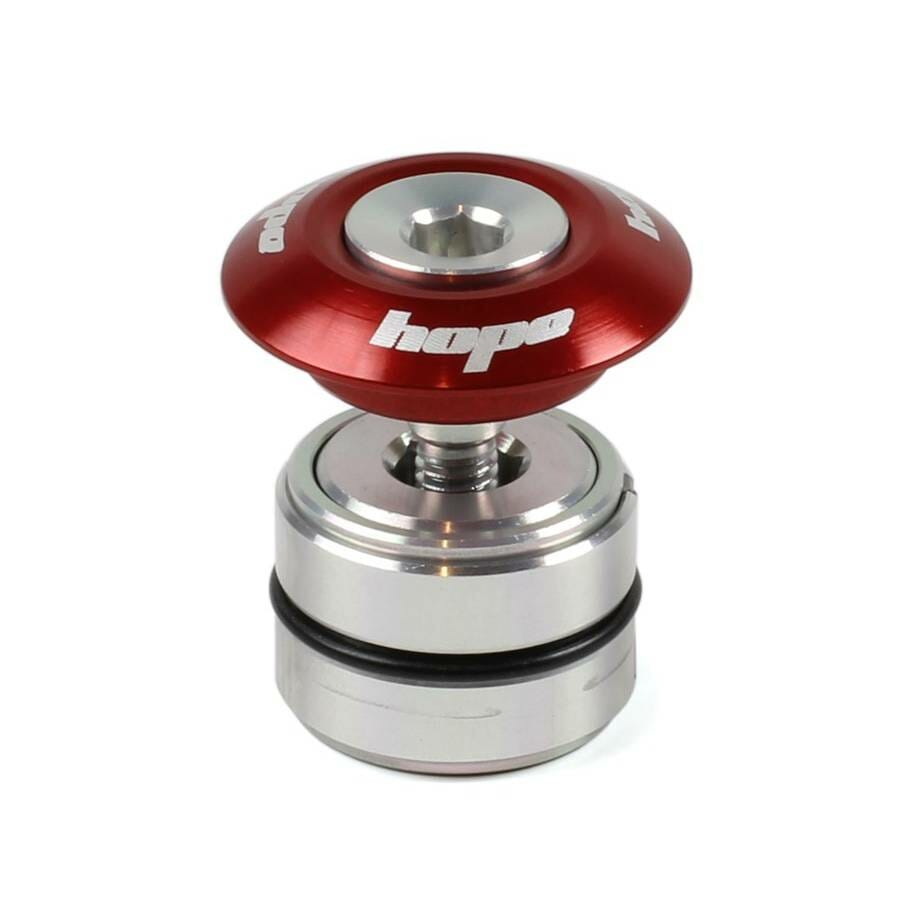
What the Head Doctor actually does
The Head Doctor sits inside the fork steerer and gives the top-cap bolt something to pull against while you preload the headset bearings. If you are still choosing the cups, bearings, or frame standard, start with the Hope headset guide first. After the headset is adjusted, the stem clamp bolts hold the fork and cockpit in place. The top cap is not what keeps your bars from twisting once the stem is tightened.
Hope’s own Hed Doctor fitting sheet shows the basic sequence: loosen the wedge, place it into the steerer with the 8 mm bolt head upward, push it to roughly 12 mm below the top of the steerer, tighten the wedge solidly, then fit the stem/spacers and use the top cap bolt to set bearing preload. That 12 mm detail matters because installing it too shallow or too deep can make adjustment awkward.
| Part type | Threadless steerer expander and top-cap assembly |
|---|---|
| Main job | Lets the top cap preload the headset bearings without a star-fangled nut |
| Typical steerer | 1 1/8 inch threadless steerer, but internal fit should still be checked |
| Install tools | Hope’s fitting sheet references 8 mm and 6 mm Allen keys |
| Best reason to buy | Reusable, removable preload device with clean Hope finishing |
| Main caution | Some steerers can be a tight or poor fit; do not force an unsafe setup |
Why riders like it
The most common positive comment is convenience. In a SingletrackWorld Head Doctor thread, one rider called it a star-fangled-nut eliminator and said they had used a few successfully. Another useful point from the same discussion is that a star nut should not be used in a carbon steerer, although carbon fork makers may still specify a longer compression plug than the Head Doctor provides.
That second part is important. For carbon steerers, do not treat the Head Doctor as a universal answer. Check the fork manufacturer’s requirement for plug length, insertion depth, stem-clamp support, and torque. If the fork maker asks for a specific compression plug, use that.
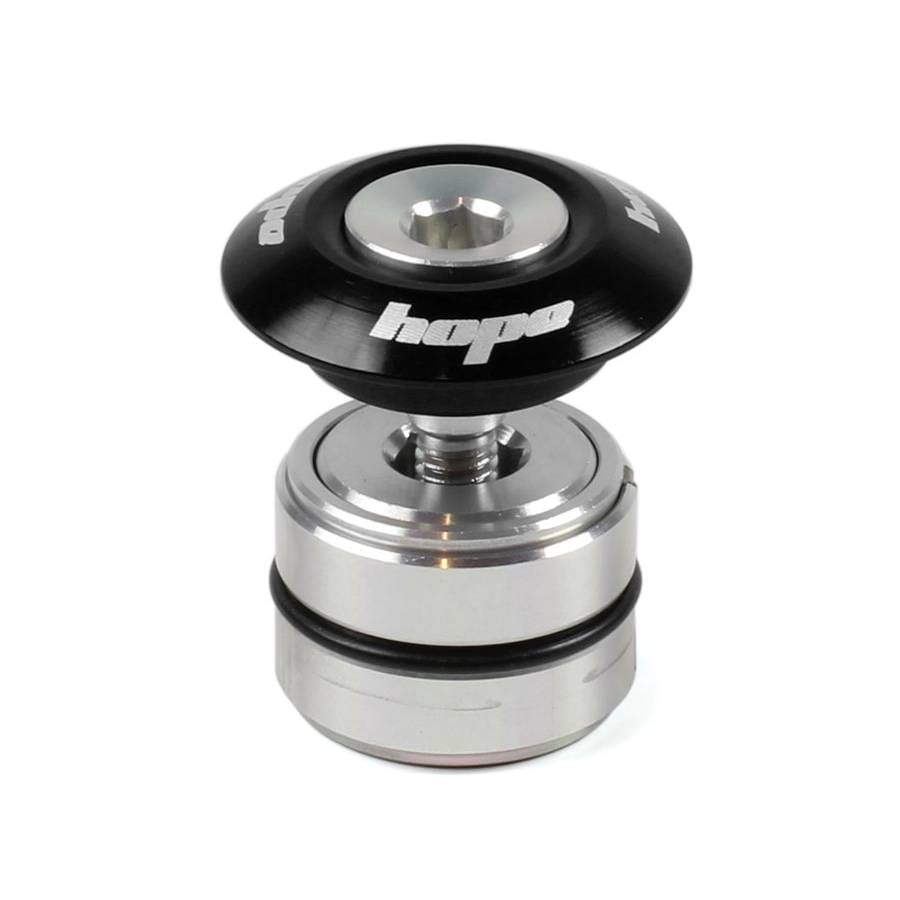
Where it can annoy you
The biggest complaint is fit. Some steerers accept it easily; others feel too tight. In an old Pinkbike Head Doctor forum thread, one user praised the reusable design, while another pointed out that steerer wall thickness can affect whether the Head Doctor grips properly. That is exactly the sort of practical detail a product listing will not tell you.
There are also rider reports of tight insertion. In a SingletrackWorld fitting thread, one rider mentioned removing the O-ring to help the part slide in. That is rider workaround territory, not an official recommendation, but it does explain why some installations feel more fiddly than the marketing suggests.
Head Doctor vs star-fangled nut
For a metal steerer, the star nut still has a strong case. It is cheap, light, and once fitted correctly it usually disappears from your life. In a SingletrackWorld comparison thread, several riders argue that a normal star nut is quicker or more reliable for ordinary metal-steerer jobs.
The Head Doctor makes more sense when removability matters, when you do not have a star-nut setting tool, when you want the Hope finishing kit look, or when you are regularly moving parts between forks. A rider on EMTB Forums summed up the attraction well: a Head Doctor can avoid the need to set a star nut squarely and to the correct depth with a specific tool. That discussion is here: EMTB Forums Head Doctor thread.
Installation notes before buying
- Check steerer material: never hammer a star nut into a carbon steerer. For carbon, follow the fork maker’s plug requirement first.
- Check internal fit: the Head Doctor depends on the inside of the steerer, not just the outside diameter.
- Set headset preload lightly: the top cap removes play; it is not a structural clamp.
- Tighten the stem after adjustment: the stem clamp is what locks the assembly in place.
- Recheck after the first ride: headset settling can happen after any cockpit/headset work.
A broader Reddit discussion about expansion plugs in metal steerers includes riders saying they use Hope’s expansion-plug style setup in metal and carbon steerers, while others point out that star nuts remain cheap and normal for metal forks. That is the balanced view: expansion plugs are not strange, but they are also not magic. See the thread here: expansion plug versus star nut discussion.
Bottom line
The Hope Head Doctor is a good little part if you want a reusable, removable, tidy-looking headset preload device and you are willing to check fit carefully. It is especially attractive when you do not want to install a star nut. It is less compelling if your metal steerer already has a star nut installed properly and you only need the bike to work.
FAQ
Does the Head Doctor hold the stem in place?
No. It helps preload the headset bearings. After adjustment, the stem clamp bolts hold the cockpit on the steerer.
Can I use it instead of a star nut?
Yes, that is the point of the design, provided it fits your steerer correctly and your fork maker does not require a different plug.
Is it better than a star nut?
Sometimes. It is reusable and removable, but a correctly installed star nut is cheap, light, and effective in a metal steerer.
Is it safe for carbon steerers?
Do not use a star nut in carbon. For the Head Doctor specifically, check the fork manufacturer’s required compression-plug style, support length, insertion depth, and torque before fitting it.