GEAR REVIEW

Hope Carbon Handlebar Review: 20R vs 35R, Clamp Size, Rise, and Cut-Down Fit
HOMETOWN • HomeTown Bikes • July 17, 2026

Hope’s carbon handlebar range is mainly a fit question: do you want the lower 20mm-rise bar, or the higher 35mm-rise bar? Both are 800mm-wide carbon bars aimed at trail and all-mountain riding, but the clamp options, sweep, weight, and front-end height are not the same.

The 20R bar is the more flexible fit because Hope offers it in both 31.8mm and 35mm clamp diameters. The 35R bar is more specific: it is a 35mm-clamp bar with a taller 35mm rise for riders who want more stack at the grips.

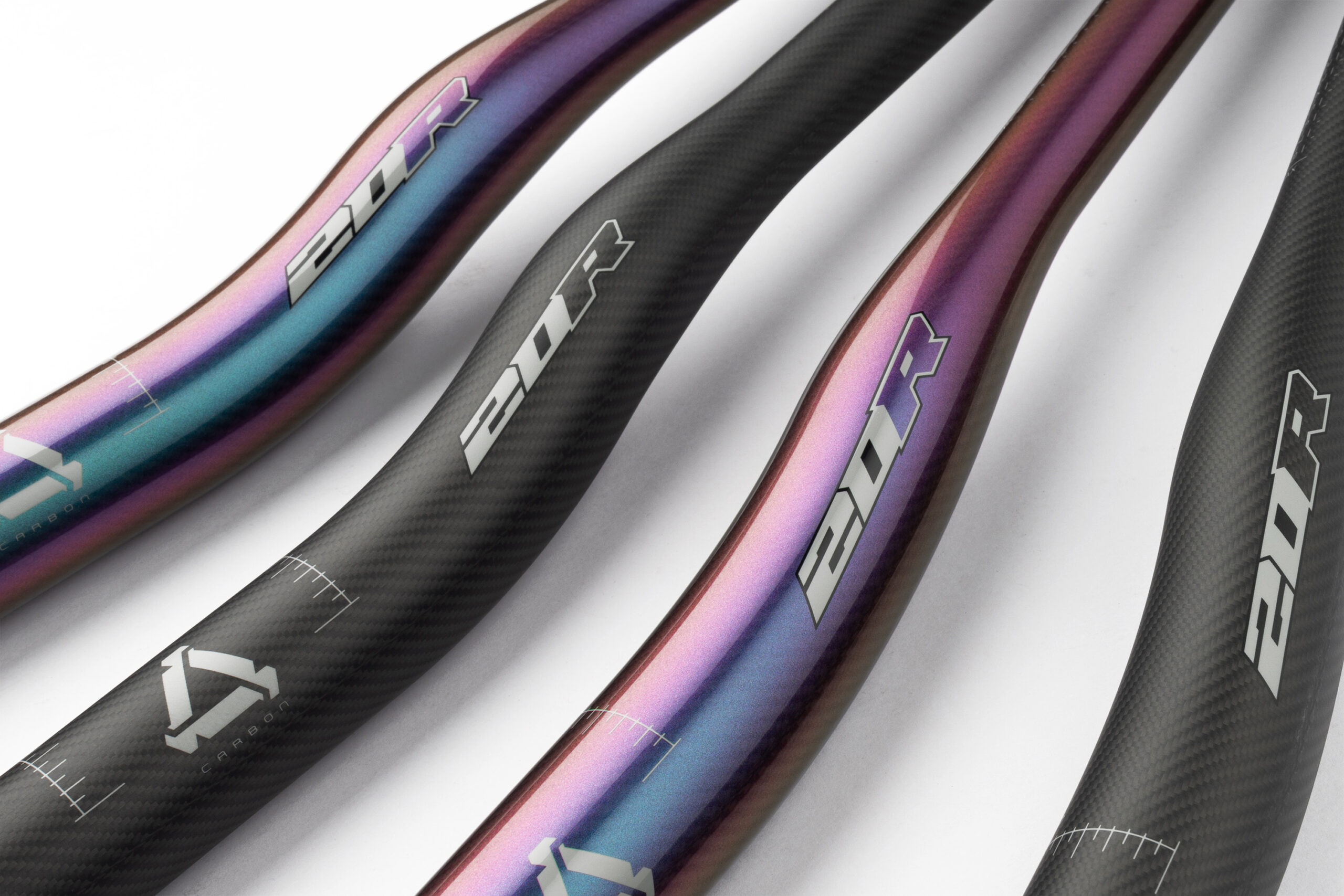
Hope carbon handlebars in standard black and chameleon finishes showing setup markings
Hope’s carbon handlebar range includes standard black and Chameleon-style finishes, with printed setup markings near the controls and stem area.

Quick Verdict

The Hope Carbon Handlebar is worth considering if you want a premium UK-made carbon bar for a trail or all-mountain bike and you care about setup markings, finish quality, and matching a Hope cockpit. Hope’s 20R Carbon Handlebar page lists an 800mm width, 20mm rise, 5 degree upsweep, 7 degree backsweep, and 225g weight. The 35R Carbon Handlebar page lists an 800mm width, 35mm rise, 5 degree upsweep, 8 degree backsweep, and 245g weight.

Choose the 20R if you want the lower-rise option or need a 31.8mm clamp. Choose the 35R if you run a 35mm stem and want a taller front end without stacking the cockpit awkwardly.

Key Specs

Model Hope 20R Carbon Handlebar Hope 35R Carbon Handlebar
Best use Trail / all-mountain Trail / all-mountain
Width 800mm 800mm with cut marks
Clamp diameter 31.8mm or 35mm 35mm only
Rise 20mm 35mm
Upsweep 5 degrees 5 degrees
Backsweep 7 degrees 8 degrees
Listed weight 225g 245g
Finish options Standard and Chameleon Standard finish shown by Hope

20R vs 35R

The 20R is the better default for riders who already like their bar height or want to keep the front end lower. It is also the safer choice if your current stem is 31.8mm, because the 35R is not offered in 31.8mm.

The 35R is for riders who want more height at the hands. That can help if the bike feels too low at the front, if you are riding steeper terrain, or if you want a more upright descending position. It is not automatically better because it has more rise. If your current cockpit already feels high, the 35R can push the grips higher than you want.

If the front end still feels sharp or harsh after changing bar rise, roll, or spacer height, check tire pressure before changing the cockpit again. A quick pass through the bike tire pressure calculator gives you a cleaner baseline for separating handlebar feel from tire setup.

Hope 35R carbon handlebar showing rise profile and control setup markings
The 35R version is the taller option, with 35mm rise and a 35mm clamp only.

31.8mm vs 35mm Clamp

Clamp diameter is not a feel preference you can ignore. A 31.8mm stem needs a 31.8mm bar. A 35mm stem needs a 35mm bar. The 20R gives you both choices. The 35R is 35mm only.

If you are pairing the bar with a Hope stem, match the clamp size first, then choose reach and rise. For the trail/all-mountain stem path, the Hope TR Stem review is the closest companion page. For the burlier single-crown option, see the Hope Gravity Stem review.

Width and Cutting

Both bars start at 800mm wide. That is wide enough for modern trail and all-mountain use, but it will be too wide for some riders, terrain, and shoulder widths. Hope mentions cut marks on the 35R page, and the visual markings are one of the more useful practical details on these bars.

Cutting carbon bars is not the same as trimming a cheap alloy bar. Use the correct guide, blade, and protection, follow Hope’s carbon handlebar instructions, and do not cut past the marked safe range.

Sweep and Hand Position

The 20R uses 5 degrees of upsweep and 7 degrees of backsweep. The 35R uses the same 5 degrees of upsweep but increases backsweep to 8 degrees. That is a small difference on paper, but sweep affects wrist angle, brake-lever position, and how natural the bar feels when you are standing on descents.

If you are sensitive to wrist angle, do not judge the bar by rise alone. Bar roll, brake lever angle, stem length, and grip position can all make the same handlebar feel different.

Carbon Feel and Strength Claims

Hope says the 20R uses larger diameters around the bends and an optimized laminate to add strength in high-stress areas while removing material where it is not needed. Hope describes the 35R with optimized laminate design, varying wall sections, and a recyclable manufacturing technique.

Those are manufacturer claims, not a substitute for correct installation. Carbon bars need clean clamp surfaces, correct torque, and careful inspection after crashes. If your stem, brake clamp, shifter clamp, or light mount digs into the carbon, the bar is not being treated correctly.

Who Should Buy It

Buy the Hope Carbon Handlebar if you want a premium carbon bar for a trail or all-mountain bike, like Hope’s finish and cockpit ecosystem, and know your preferred rise and clamp diameter. The printed setup markings are also useful if you frequently adjust bar roll or control positions.

The 20R suits riders who want a lower front end or need 31.8mm compatibility. The 35R suits riders who want more rise and are already on a 35mm stem.

Who Should Skip It

Skip it if you are looking for the cheapest handlebar upgrade. Carbon bars are expensive, and the weight saving over a good alloy bar may not justify the cost for every rider.

Also skip it if you are hard on cockpit parts, regularly crash, use clamp-on accessories carelessly, or do not want to think about carbon-specific installation. A good alloy bar can be the more practical choice for some bikes.

Used-Buy Checks

Be cautious with used carbon handlebars. Check the stem clamp area, brake clamp areas, shifter/dropper clamp areas, bar ends, underside of the bends, and any dull marks that may indicate crush damage. A cosmetic scuff is one thing. A crushed clamp mark or unknown crash history is different.

If the bar has been cut, measure the final width and inspect the cut ends. Uneven cuts, splintering, missing end plugs, or signs that the bar was cut past marked guidance are reasons to avoid it.

Related HometownBikes Reading

For stem pairing, read the Hope TR Stem review, Hope Gravity Stem review, and Hope RX Stem review. For a downhill fork-crown setup, the Hope Direct Mount Stem review is the relevant stem article.

Bottom Line

The Hope Carbon Handlebar range is strongest when you choose it by fit, not by color. Start with clamp diameter, then pick rise, then think about width and cut-down plans.

The 20R is the more versatile bar because it comes in 31.8mm and 35mm clamp sizes and keeps the front end lower. The 35R is the taller 35mm-only option for riders who want more grip height on a trail or all-mountain bike. If that matches your bike, it is a sensible premium cockpit upgrade. If not, the finish and logo do not fix the fit.

FAQ

What is the difference between the Hope 20R and 35R carbon handlebar?

The 20R has 20mm rise and comes in 31.8mm or 35mm clamp sizes. The 35R has 35mm rise and is 35mm clamp only.

How wide are Hope carbon handlebars?

Hope lists both the 20R and 35R bars at 800mm wide.

Can the Hope Carbon Handlebar be cut down?

The 35R page mentions cut marks for custom length adjustment. Use Hope’s instructions and do not cut beyond the marked safe range.

Are Hope carbon bars for downhill?

Hope positions these carbon bars for trail and all-mountain use. For downhill or bike-park use, check the bar, stem, and bike manufacturer’s guidance before treating it as suitable.

Should I choose 31.8mm or 35mm?

Choose the clamp size that matches your stem. If you need 31.8mm, choose the 20R. If you use a 35mm stem, either the 20R or 35R can be considered depending on rise preference.