Hope Gravity Stem Review: 35mm/50mm Reach, Bar Clamp Fit, and Setup Notes
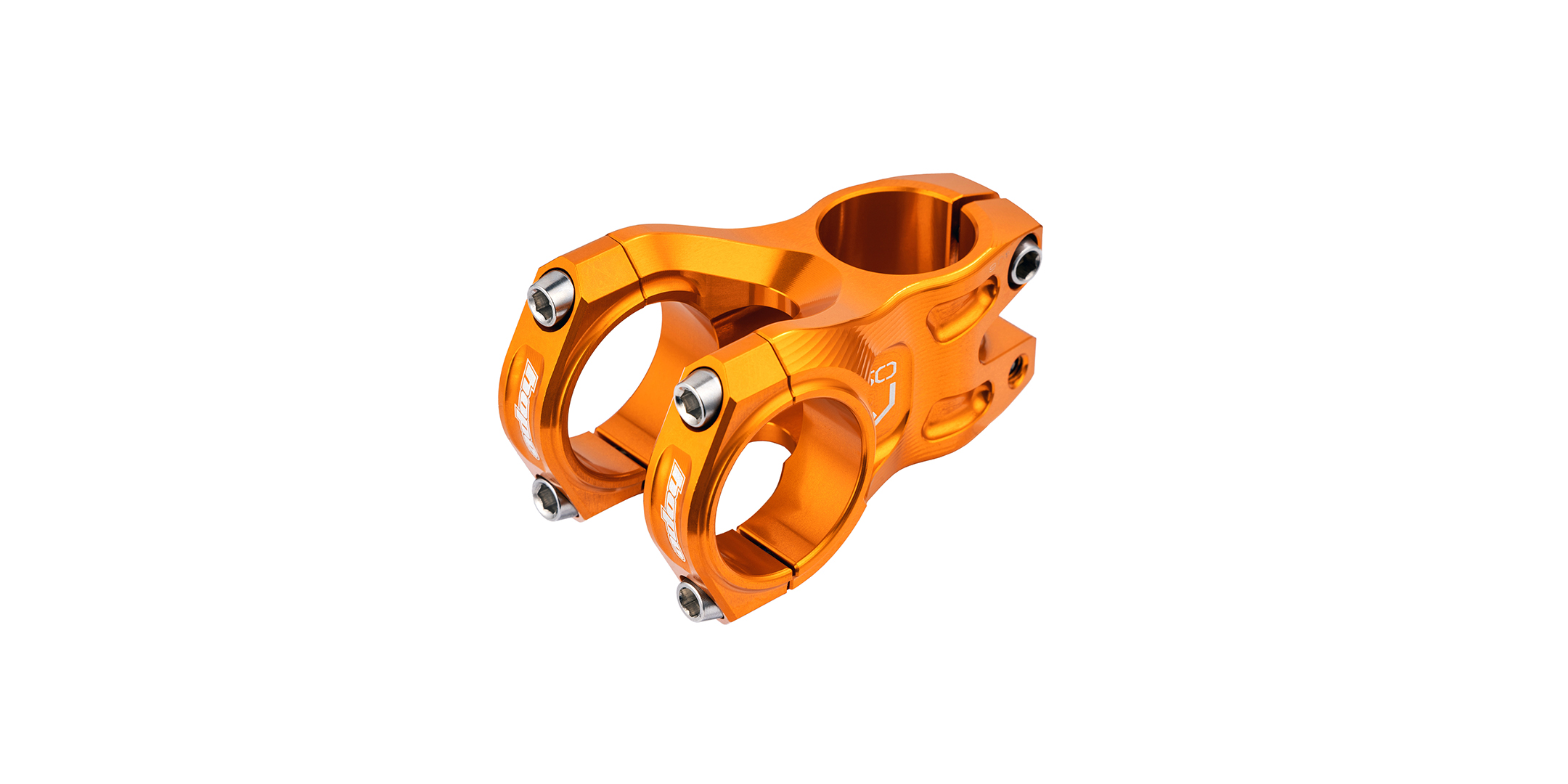
The Hope Gravity Stem is for riders who want a short, stiff, CNC-machined mountain bike stem without moving into a direct-mount downhill setup. It sits in the part of the cockpit where small numbers matter: 35mm or 50mm reach, 31.8mm or 35mm bar clamp, 0 degree rise, and enough steerer clearance for a clean, safe install.
This is not the stem to buy just because the color matches the hubs. The fit needs to be right first. Stem length changes front-wheel weighting, bar clamp size has to match your handlebar, and the steerer setup has to leave the correct clamp engagement. If those details line up, the Gravity Stem is one of the more interesting Hope cockpit parts.
Quick Verdict
The Hope Gravity Stem makes sense if you want a premium short stem for trail, enduro, or gravity-focused riding and you know your bar clamp and reach numbers. The best version for many modern bikes will be either 35mm reach for a shorter cockpit or 50mm reach if the bike needs a little more front-center weighting and steering calm.
It is less convincing if you are unsure about stem length, running an unusual steerer, or trying to fix bike fit with a shiny part. The Gravity Stem is well made, but it cannot solve a cockpit setup that is wrong from the start.
What The Gravity Stem Is
Hope lists the Gravity Stem in 35mm and 50mm lengths, with 31.8mm and 35mm handlebar clamp options, 0 degree rise, and a claimed weight from 156g on the official Gravity Stem product page. Hope says the stem is CNC machined from 2014 T6 aluminium and designed to be stiffer than its AM stem.
The design uses separate handlebar clamps and what Hope calls a no-gap clamping system. That detail matters because stem faceplate installation is one of the places riders can accidentally clamp unevenly, crush a bar, or leave the bar poorly supported.
Key Specs
| Lengths | 35mm and 50mm reach |
|---|---|
| Handlebar clamp | 31.8mm or 35mm, depending on version |
| Rise | 0 degree |
| Material | CNC-machined 2014 T6 aluminium |
| Steerer | 1 1/8 inch / 28.6mm steerer only, according to Hope’s instructions |
| Install tools | 5mm hex and torque wrench |
| Claimed weight | From 156g |
35mm Or 50mm Reach?
The 35mm version is the more aggressive, short-cockpit choice. It usually suits modern trail and enduro bikes with longer reach numbers, wide bars, and riders who want quicker steering response. It can also help if the bike already feels long while standing.
The 50mm version gives a little more room and can help load the front wheel more naturally on some bikes. A rider in a Vital MTB stem-length discussion described very short stems as sometimes requiring more body movement to weight the front wheel in turns. That is anecdotal, but the setup idea is useful: shorter is not automatically better.
If you are between sizes, think about the bike first. Long reach, steep terrain, and wide bars often point toward 35mm. A bike that already feels too upright, vague at the front, or cramped may be happier with 50mm.
31.8mm Or 35mm Bar Clamp?
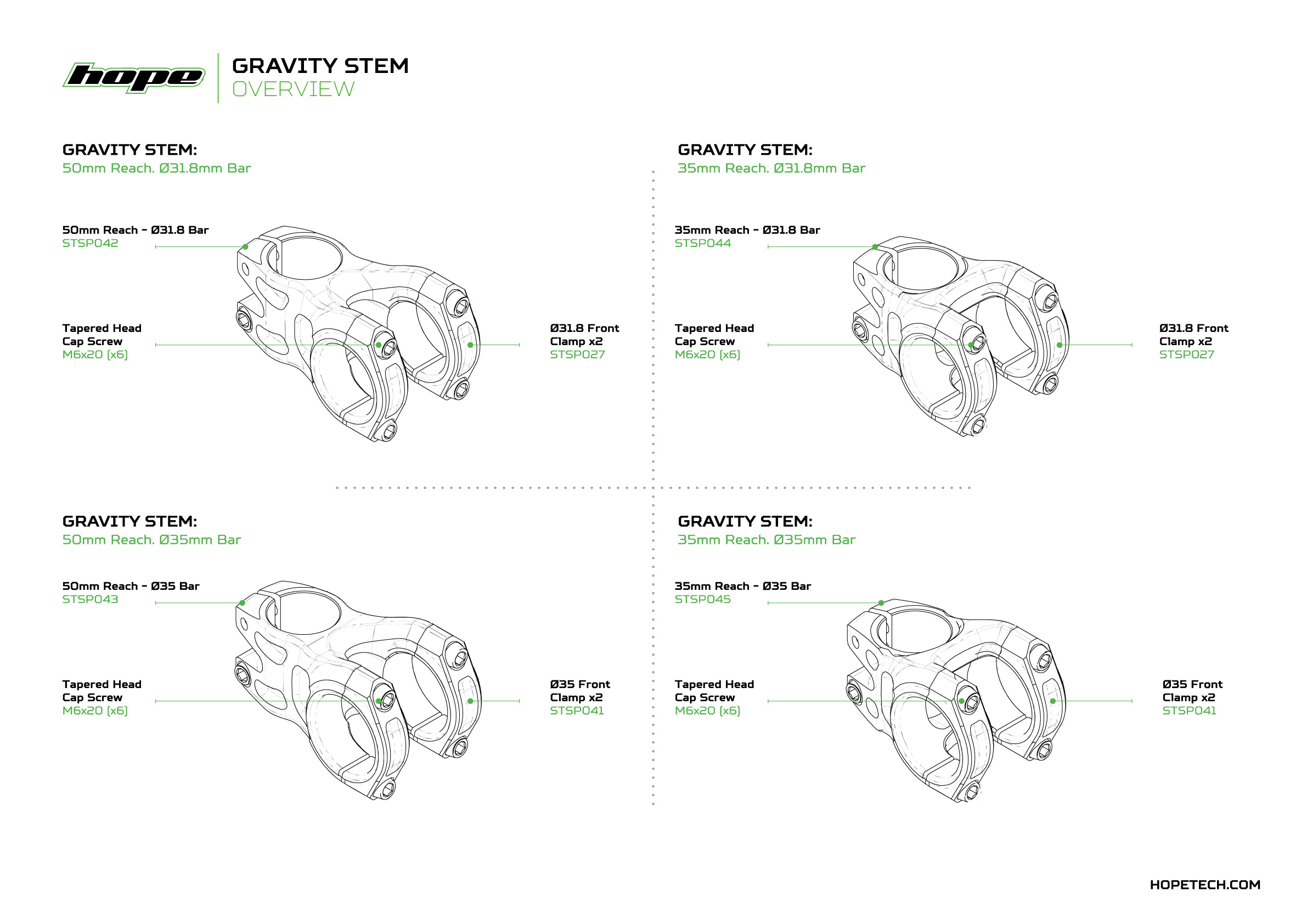
This part is not negotiable. A 31.8mm handlebar needs the 31.8mm stem. A 35mm handlebar needs the 35mm stem. Hope’s overview diagram separates the four main versions: 35mm reach with 31.8mm bar, 35mm reach with 35mm bar, 50mm reach with 31.8mm bar, and 50mm reach with 35mm bar.
The wider 35mm handlebar standard can feel stiffer depending on the bar, stem, and rider, but it is not automatically better for every person. Some riders still prefer the feel of 31.8mm bars because the cockpit can feel less harsh. Choose the stem to match the handlebar you actually plan to use.
Install Notes That Matter
Hope’s Gravity Stem instructions call for a 5mm hex and torque wrench, a clean and dry steerer and handlebar clamp area, and a 1 1/8 inch / 28.6mm steerer. The instructions also say the steerer should sit about 2-3mm below the top of the stem once installed, giving the headset preload room to work.
That small gap is important. If the steerer is too high, the top cap may bottom out before the headset is properly preloaded. If the steerer is too low, the stem may not have enough clamp support. If you are unsure, this is a mechanic job, not a guess-and-tighten job.
Also pay attention to the no-gap clamp sequence. The design is meant to sit correctly when installed as instructed. Do not grease the handlebar or steerer clamp surfaces unless the bar maker specifically calls for assembly paste or another product.
What Riders Tend To Care About
Rider conversations around premium stems are usually less about dramatic performance claims and more about fit, finish, clamp contact, bar compatibility, and cockpit feel. In a Singletrack World stem discussion, riders compare options like Hope, Renthal, Race Face, Industry Nine, Burgtec, and Title, with one comment specifically noting Hope’s wider clamp contact compared with narrower clamp designs.
That is the right way to think about this stem. It is a fit-and-finish part with genuine setup consequences. The CNC finish and anodized colors are part of the appeal, but the stem length, clamp diameter, stack height, and install quality are what decide whether it works on the bike.
Who Should Buy It
Buy the Hope Gravity Stem if you want a short, stiff, premium stem for a modern mountain bike and already know whether you need 35mm or 50mm reach. It is a good fit for riders who care about serviceable hardware, clean machining, strong clamping, and matching the cockpit to a gravity or enduro bike.
Who Should Skip It
Skip it if you are still unsure what stem length your bike needs. Also skip it if your handlebar clamp size does not match, your steerer setup is marginal, or you only want the cheapest stem that holds a bar. This is a premium part, so the value is strongest when the fit is exact.
Pros And Cons
Pros
- Available in both 35mm and 50mm reach.
- Comes in 31.8mm and 35mm handlebar clamp versions.
- CNC-machined 2014 T6 aluminium construction.
- No-gap clamping design with separate handlebar clamps.
- Strong finish and color options if cockpit appearance matters.
Cons
- Premium price compared with basic stems.
- Only 0 degree rise, so it will not add bar height by itself.
- Wrong reach choice can make the bike feel cramped or vague.
- Wrong clamp diameter makes it unusable with your handlebar.
Bottom Line
The Hope Gravity Stem is easy to like if the numbers are right. It gives you a stiff, cleanly machined, short-reach cockpit option in both common mountain-bike bar diameters. The main buying decision is not whether Hope can machine a nice stem. It can. The real decision is whether your bike needs 35mm or 50mm reach, whether your bar is 31.8mm or 35mm, and whether your steerer setup gives the stem enough clean clamping space.
FAQ
Is the Hope Gravity Stem for 31.8mm or 35mm bars?
Both versions exist. You need to buy the version that matches your handlebar clamp diameter.
Does it come in 35mm reach?
Yes. Hope lists the Gravity Stem in 35mm and 50mm reach options.
Does it add rise?
No. Hope lists the Gravity Stem as 0 degree rise. Use spacers, bar rise, or a different cockpit setup if you need more bar height.
Can I fit it to any fork steerer?
No. Hope’s instructions specify a 1 1/8 inch / 28.6mm steerer. The steerer must also be cut and spaced correctly for safe clamping.
Is the 35mm reach version always better for modern bikes?
No. It depends on frame reach, bar width, rider position, and terrain. A 35mm stem can feel sharp and compact, while a 50mm stem can help some bikes feel calmer and easier to weight at the front.