Hope Pro 4 Fatsno 177×12 Rear Hub Review: Fitment, Freehub Choice, and Service Notes
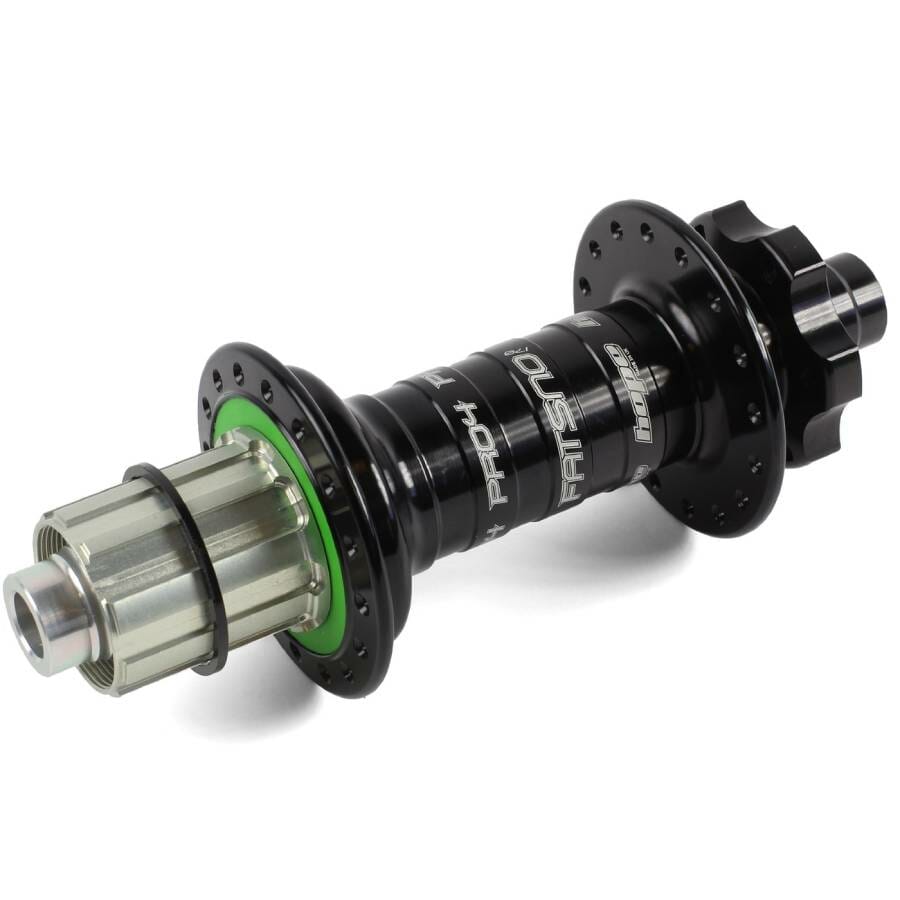
The Hope Pro 4 Fatsno 177×12 rear hub is a niche part, but it is exactly the kind of niche part where the details matter. A fat-bike rear hub is not just a color choice or a brand preference. Before buying one, you need to know your rear spacing, axle type, spoke count, brake mount, freehub body, and how much you care about serviceability later.
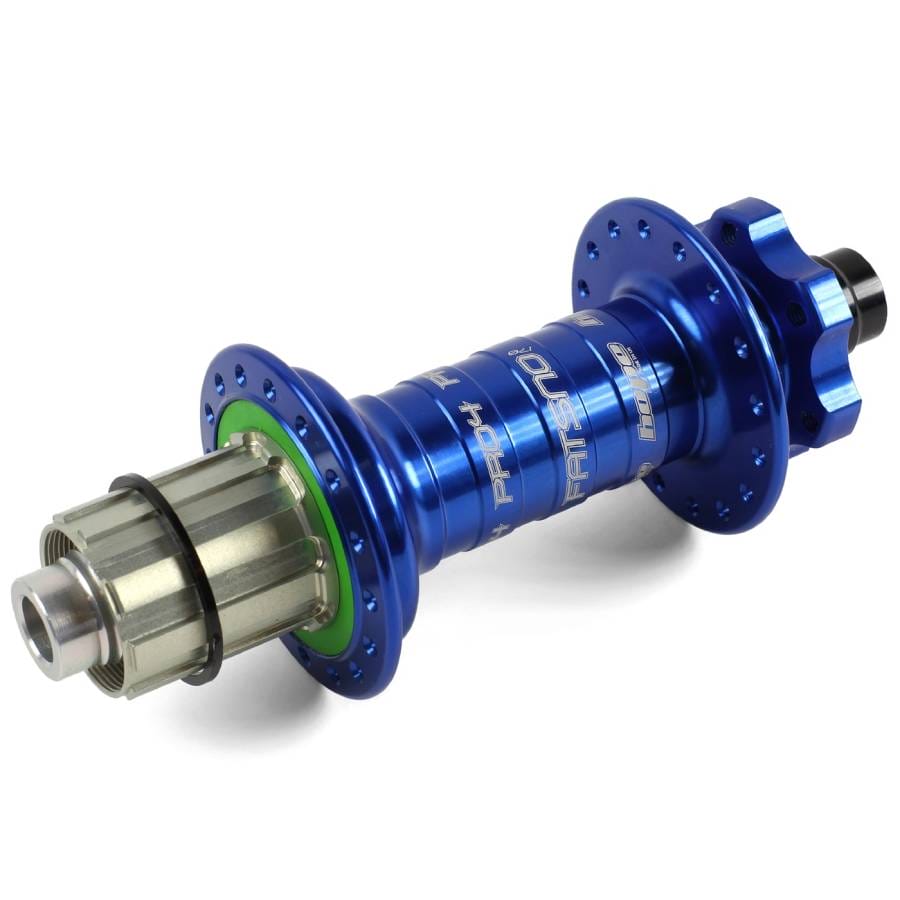
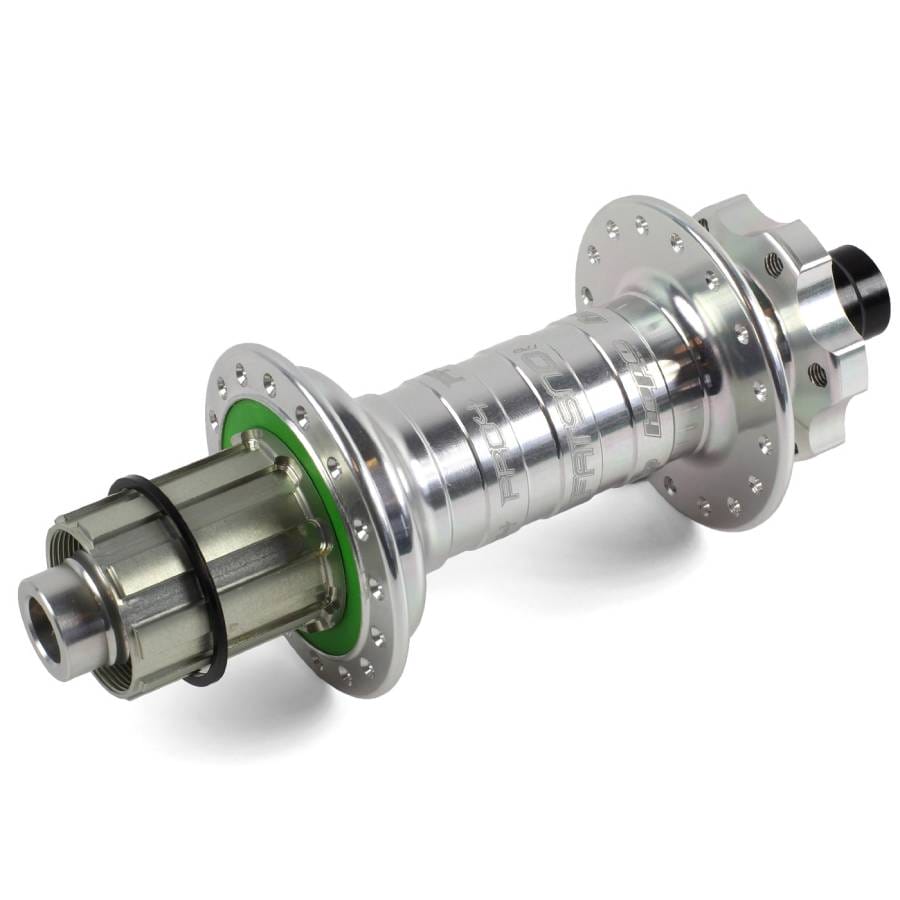
For the 177×12 version, the short answer is this: it makes sense for a fat bike frame built around 177 mm thru-axle rear spacing, a 32-hole J-bend wheel build, and a 6-bolt rotor. Hope’s Fatsno page lists the family as fat-bike-specific, with 170/177 and 190/197 mm shell options, sealed stainless cartridge bearings, a forged aluminium hub shell, and a 4-pawl, 44-tooth drive system with 8.2-degree engagement. Current retail listings add the practical buying details: rear hub, 32-hole drilling, 6-bolt attachment, J-bend spoke option, several color choices, and Shimano MicroSpline, Hope, Shimano aluminium, Shimano steel, and SRAM XD freehub options.
So this is not a universal “fat bike hub” for every frame. It is a good candidate when the spacing and drivetrain match. If they do not, keep looking before you pay for a wheel build.
Quick Verdict
Buy the Hope Pro 4 Fatsno 177×12 rear hub if you want a rebuildable, good-looking fat-bike hub for a 177 mm thru-axle frame and you are already clear on the cassette driver you need. Its biggest strengths are serviceability, spare-part support, color choice, and a spec that suits proper wheel builds rather than throwaway replacement wheels.
Skip it if your frame is 170 mm QR, 190/197 mm, or any non-177 mm rear standard. Also skip it if you are trying to build the cheapest possible winter wheel. In fat-bike use, the hub is not the place to save a tiny amount of money if you ride in salt, wet snow, mud, or high-torque climbing conditions.
What The Fatsno 177×12 Is For
The Fatsno is Hope’s fat-bike rear hub platform. Hope lists the rear hub in 170/177 and 190/197 mm widths, with the note that those use specific hub shells. That matters because the 177×12 hub is not something you should treat as a spacer-away solution for a different frame standard.
The 177×12 version is the one to look at if your frame uses:
- 177 mm rear hub spacing
- 12 mm thru axle
- 6-bolt brake rotor
- 32 spokes
- A cassette that matches one of the available freehub bodies
If your current wheel came from an older fat bike, double-check the axle before ordering. Some fat bikes use 170 mm QR. Others use 190 or 197 mm rear spacing. The numbers are close enough to confuse people, but not close enough to ignore.
Key Specs
The main specs are straightforward:
- Rear hub for fat bikes
- 177 mm x 12 mm thru-axle version
- 32-hole drilling
- J-bend spoke option
- Standard 6-bolt disc fitting
- 4-pawl ratchet with 44-tooth engagement
- 8.2-degree engagement angle
- Sealed stainless steel cartridge bearings
- Hub shell machined from forged 2014 T6 aluminium billet
- Larger spoke flange for a stiffer wheel build
- Freehub options for Shimano MicroSpline, SRAM XD, Hope cassette, Shimano aluminium HG, and Shimano steel HG
- Listed weight: 367 g for the 170 mm Shimano version
Hope lists the Fatsno rear hub family with 10, 11, and 12-speed compatibility, depending on freehub choice. That is useful, but do not read it as “any cassette fits any version.” Pick the driver around the cassette you already run or the drivetrain you are moving to.
The Fitment Checks That Matter
The first check is rear spacing. If your frame is 177×12, this hub is in the correct neighborhood. If your frame is 197×12, look at the 190/197 Fatsno shell instead. If your frame is 170 QR, this exact 177×12 listing is not the right buy.
The second check is cassette driver. SRAM XD, Shimano MicroSpline, and Shimano HG are not interchangeable. If you are running a SRAM 12-speed mountain cassette that needs XD, choose XD. If you are running Shimano 12-speed MicroSpline, choose MicroSpline. If you are using an HG cassette, decide whether the aluminium or steel HG freehub makes more sense for your use. The steel option is heavier, but it can be a better call for riders who are hard on cassette bodies.
The third check is the brake rotor. This hub uses a 6-bolt disc fitting. That is simple if your rotor is already 6-bolt. If your current setup is Center Lock, plan for a 6-bolt rotor rather than assuming the old rotor moves across.
The fourth check is the wheel build itself. This is a 32-hole hub. Your rim needs to match that drilling, and your builder should calculate spokes from the actual hub and rim dimensions, not from a “close enough” fat-bike template.
What Riders Seem To Care About
Real owner feedback on the exact Pro 4 Fatsno is not as common as it is for mainstream trail hubs, but the fat-bike discussions that do exist are useful. In one r/fatbike thread about replacing a failed rear hub, the original poster was comparing a Hope Pro Fatsno against other fat-bike hub options after pawl and ratchet damage on a stock hub. One commenter said the Fatsno was a good hub but added the important bit: service it. Another rider in the same discussion pointed out that fat-bike rear hubs have a harder life because the rear end is wide and the tire can put a lot of torque through the hub.
That is the right lens for this hub. The Hope is not magic. It still needs cleaning, bearings, pawls, seals, and sensible service intervals. The reason it is attractive is that Hope hubs are built around serviceable internals and available spare parts, so you are not treating the hub as disposable when winter grime gets inside.
Engagement And Ride Feel
The Pro 4 Fatsno uses a 4-pawl, 44-tooth ratchet system, which Hope lists as 8.2 degrees of engagement. That is quick enough for most fat-bike trail riding and technical climbing, but it is not trying to be an ultra-high-engagement boutique hub.
For a fat bike, that is not a bad balance. Very fast engagement can feel nice in trials-style moves, but durability, seal quality, bearing support, and service access often matter more on a winter or backcountry fat bike. If you are replacing a tired stock hub, the bigger upgrade may be the stronger build and better service path rather than the engagement number alone.
Freehub Choice: Do Not Guess
This is where many buyers can waste money. The Fatsno 177×12 listing gives you multiple freehub body choices, and they are not cosmetic options.
Choose Shimano MicroSpline if you are running a Shimano 12-speed mountain cassette that requires MicroSpline. Choose SRAM XD if your cassette needs XD. Choose Shimano HG if your cassette uses the older HG spline pattern. Between aluminium and steel HG, think about weight versus durability. Aluminium is lighter. Steel is more resistant to cassette bite.
If you are not sure, look at your cassette model before ordering. Do not identify the freehub from the derailleur brand alone; mixed drivetrains and older parts make that unreliable.
Service Notes
Hope provides exploded diagrams for the Pro 4 Fatsno rear hub and Pro 4 freehub assemblies, which is one of the reasons this hub is appealing for a bike that may see ugly conditions. If you ride through wet snow, salty slush, sand, or mud, the service story matters.
The practical maintenance advice is simple:
- Keep an eye on bearing roughness.
- Clean and inspect the freehub before it gets crunchy.
- Replace pawls, springs, seals, or bearings when wear shows up.
- Do not pressure-wash directly into the hub.
- Recheck the axle/end-cap setup after service.
The hub is serviceable, but serviceable does not mean maintenance-free.
Who Should Buy It
This hub makes sense for a rider rebuilding or upgrading a 177×12 fat-bike rear wheel and wanting something more durable and serviceable than many stock hubs. It is especially attractive if you like Hope’s spare-part ecosystem, want color options beyond black, and prefer a hub that a competent wheel builder or home mechanic can keep alive for years.
It is also a clean choice if you want one hub platform with several cassette-driver options. That gives you some room to change drivetrains later, though you still need the correct driver and small parts for the change.
Who Should Skip It
Skip the 177×12 version if your frame is not 177 mm thru axle. That sounds obvious, but fat-bike spacing is messy enough that it is worth saying plainly.
Also skip it if you want a silent hub. Hope Pro 4 hubs have a noticeable freehub sound, and while volume varies with grease and condition, this is not the hub family people buy for silence.
Finally, skip it if you are trying to patch an old wheel as cheaply as possible. Once you add a quality hub, spokes, nipples, labor, and maybe a rotor or cassette-driver change, the total can climb quickly. Sometimes a complete used wheel is the better budget answer.
Alternatives To Compare
The most obvious comparison is the DT Swiss 350 fat-bike hub. Riders often bring it up when reliability and easy service are the priority. The Hope is more colorful, has that familiar Pro 4 character, and is easy to source in multiple freehub options. The DT route may appeal if you prefer the DT ratchet system and a quieter, more understated hub.
Cheaper fat-bike hubs can also work, especially for casual riding, but the risk is long-term support. A fat-bike rear hub can see big torque loads and unpleasant weather. If the hub is hard to service or parts disappear, the cheap option can become expensive later.
Related Hub Fitment Support
If you are comparing this fat-bike rear hub with newer Hope options, keep the standards separate. Fatsno 177×12 is a fat-bike spacing question first, while modern Pro 5 trail bikes usually point toward Boost or SuperBoost hub standards instead.
For the wider Hope hub buying picture, read are Hope hubs good before spending money on an older wheel. If you are deciding between older Pro 4 value and newer Pro 5 engagement, the Hope Pro 5 vs Pro 4 hub comparison is the better support page.
FAQ
Is the Hope Pro 4 Fatsno 177×12 rear hub only for fat bikes?
Yes. Hope describes the Fatsno rear hub as a fat-bike-specific hub family, and the 177×12 version is for frames using that rear spacing and axle standard.
Will it fit a 197 mm fat bike frame?
No, not this 177×12 version. Hope lists separate 170/177 and 190/197 mm shell options. If your frame is 197×12, look for the 190/197 version.
Does it work with SRAM Eagle?
It can, if you choose the correct SRAM XD freehub body for an XD cassette. If your cassette is not XD, check the exact cassette model before ordering.
Does it work with Shimano 12-speed?
It can, if you choose the Shimano MicroSpline freehub option and your cassette requires MicroSpline.
Is it Center Lock?
No. This hub uses a standard 6-bolt disc fitting.
Is the Hope Pro 4 Fatsno loud?
It is not a silent hub. The Pro 4 family is known for an audible freehub, though the exact sound depends on grease, service condition, and how the wheel is built.
Where can I check current stock?
The 177×12 version is commonly sold with color and freehub options. Check the current listing before ordering because color and driver availability can change.
Bottom Line
The Hope Pro 4 Fatsno 177×12 rear hub is a strong choice for the right fat bike, but it is not a blind upgrade. Get the spacing right, pick the correct freehub body, confirm the 6-bolt rotor setup, and budget for a proper 32-hole wheel build.
If those boxes are checked, the appeal is clear: a serviceable Hope hub, fat-bike-specific shell options, useful freehub choices, and enough spare-part support to make it worth maintaining instead of replacing.
Related setup help
Fat and wide-wheel builds are very pressure-sensitive. Use the bike tire pressure calculator as a starting point, then tune carefully by ride feel.