Hope Pro 4 Shimano Steel Freehub Body Review: The Sensible Fix for Cassette Bite
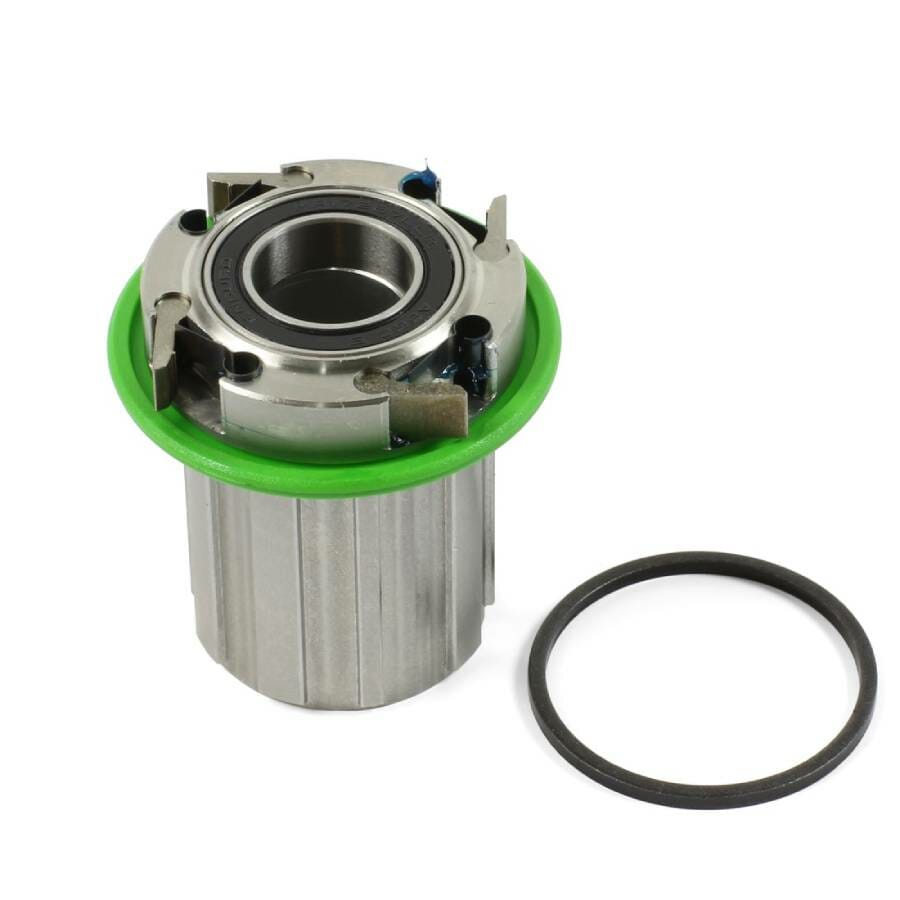
The Hope Pro 4 Shimano Steel freehub body is the sensible fix when an HG cassette has started chewing into an alloy Pro 4 body. It is not a louder-hub upgrade, not a new engagement system, and not the lightest option. It is the durable option for riders who would rather add a little weight than keep filing cassette bite marks out of soft splines.
That makes it a very specific part, but a useful one. If your Pro 4 hub is already running cleanly on an alloy body and your cassette slides off without drama, there is no urgent reason to change. If the cassette has to be persuaded off the body, or you ride in a way that loads a few cogs hard, the steel body starts to make a lot more sense.
What this part actually changes
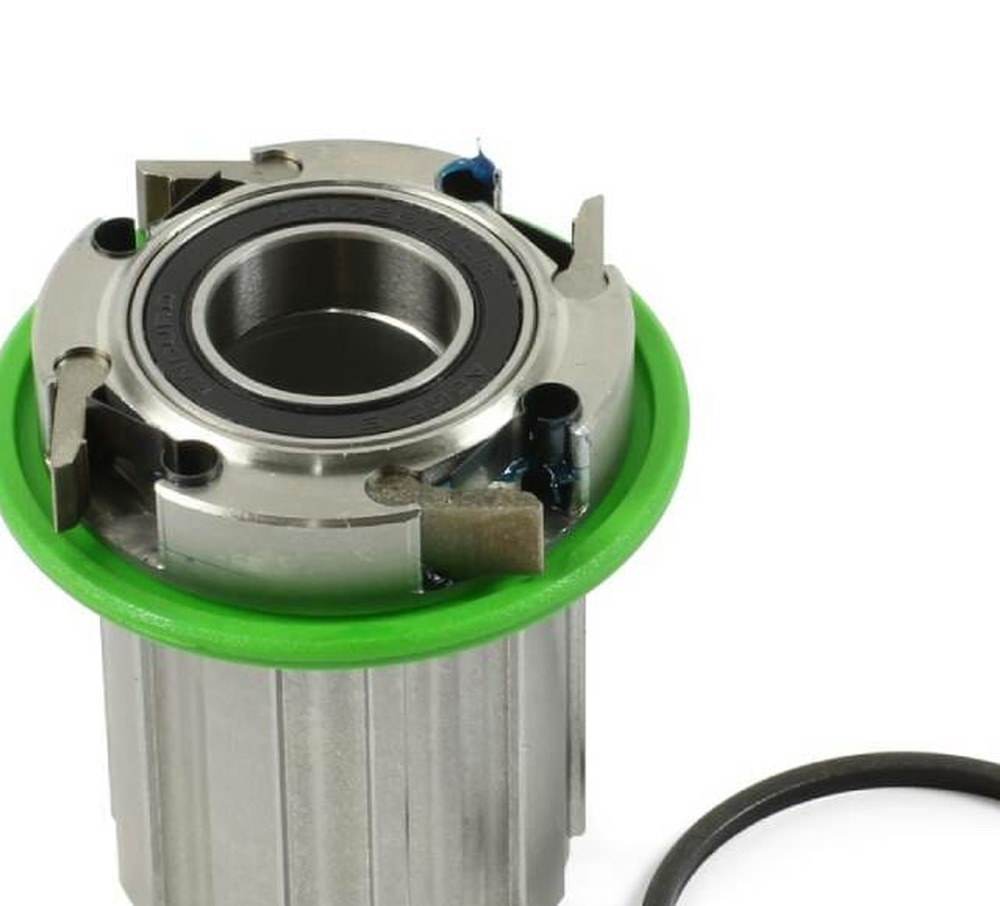
This is a replacement Shimano-style freehub body for Hope Pro 4 rear hubs. The important word is steel. Steel does not make the hub engage quicker by itself, and it does not turn a Pro 4 into a Pro 5. What it changes is the material sitting under the cassette splines.
That matters because individual steel cassette sprockets can dig into an aluminium HG body over time. In a Bikewrench discussion about Hope alloy versus steel freehubs, one rider with workshop-style experience described a clear preference for steel bodies when cassette notching becomes a problem, while also making the useful point that the pawls, bearings, and seals are not automatically better just because the shell material changes.
That is the right way to think about this part: buy it for spline durability, not because it will refresh every part of the hub at once.
Key Specs and Fitment Notes
| Product | Hope Pro 4 Shimano Steel freehub body, commonly listed as HUB540. |
|---|---|
| Hub family | Hope Pro 4 rear hubs. Do not assume it fits older Pro 2 or Pro 2 EVO hubs. |
| Cassette style | Shimano HG-style cassette use. If you need SRAM XD, MicroSpline, or Hope’s own cassette driver, choose the matching driver instead. |
| Main reason to buy | Better resistance to cassette bite than an alloy HG freehub body. |
| Main trade-off | More weight than alloy, with no automatic change to engagement feel. |
| Service parts to watch | Hope’s Pro 4 freehub assembly document shows the common pawls, pawl springs, bearings, spacer, and drive-side seal used around the Pro 4 freehub assembly. |
Hope keeps the Pro 4 hub support documents in its official hub document library, and the Pro 4 freehub assembly diagram is useful before opening the hub because it shows the small parts you do not want to lose: pawls, springs, bearings, spacer, and drive-side seal.
Who should buy the steel body?
- Riders with visible cassette bite: if individual sprockets have made ridges in the freehub body, steel is the cleaner long-term choice.
- Powerful or heavy riders on HG cassettes: more torque through a smaller number of sprockets makes bite marks more likely.
- Single-speed or conversion users: narrow single cogs can concentrate load. One rider in a Hope Pro 4 singlespeed discussion said the steel HG body was heavier but much more durable for that use.
- Anyone replacing a damaged Pro 4 body anyway: if the old part is already done, the steel version is often the less annoying replacement.
Who should skip it?
- Weight-focused riders with no bite problem: alloy remains the lighter choice, and a clean alloy body is not a failure waiting to happen.
- Riders on XD or MicroSpline cassettes: this is not the right driver standard for those setups.
- Owners of older Hope hubs: do not order by brand alone. In a SingletrackWorld compatibility thread, riders specifically warn that Pro 2 and Pro 4 freehub bodies are not interchangeable.
- Anyone expecting a hub transformation: this is a durability part, not a full hub upgrade.
The rider feedback is pretty consistent
The strongest theme from rider discussions is not speed or smoothness. It is cassette bite. One EMTB Forums rider was specifically hunting for the steel Pro 4 body because a cassette had dug into the aluminium body and was suspected in a clunking problem; that is anecdotal, but it matches the usual HG freehub failure pattern. The full thread is worth reading if your own cassette is hard to remove: Hope Pro 4 steel freehub body discussion.
The balanced take is this: steel is not automatically better for every rider, but it is the more forgiving material when separate steel cassette cogs are repeatedly loaded against HG splines. If your cassette uses a large carrier that spreads load across more spline area, the urgency drops. If your cassette has several loose cogs, the argument for steel gets stronger.
Installation notes before you order
Before buying, confirm three things: your hub is a Pro 4, your cassette standard is correct, and the freehub body you are replacing is actually the issue. A notched freehub can make cassette removal annoying, but drivetrain noise can also come from a loose cassette lockring, worn cassette, loose hub bearing, axle/end-cap issue, or a dry pawl area.
When fitting it, keep the job clean and slow. The pawls and springs are small, the seal orientation matters, and the spacer/end-cap stack needs to go back exactly as required for your hub. If you are already inside the freehub, it is also a good time to inspect the bearings and replace tired seals rather than putting new parts around gritty ones.
Steel vs alloy: the simple decision
Choose steel if durability and cassette removal matter more than saving grams. Choose alloy if your current body is clean, you remove the cassette easily, and you are chasing the lighter build. For most trail, e-bike, winter, and high-torque use, the steel body is the calmer choice because it solves the annoying problem people actually complain about.
The one thing I would not do is buy this blindly because the words “Hope” and “freehub” match your wheel. Hope has had several hub generations and driver options. Match the hub generation and cassette standard first, then decide on steel versus alloy.
Bottom line
The Hope Pro 4 Shimano Steel freehub body is a good buy when your Pro 4 HG setup is showing bite marks or you know your riding style is hard on alloy bodies. It is less attractive as a just-in-case upgrade for a clean, lightly used wheel.
Related Hub Fitment Support
This steel freehub body is a Pro 4 cassette-body fix, not a complete hub upgrade. If your real question is whether to keep a Pro 4 wheel or move to a newer hub, compare the bigger picture before buying small parts.
Use the Hope Pro 5 vs Pro 4 hub comparison for the platform decision, and the Hope hubs buyer guide for serviceability, sound, bearings, and freehub-option context.
FAQ
Will it make my Hope Pro 4 hub engage faster?
No. The steel body changes the freehub body material, not the engagement design.
Is steel always better than alloy?
No. Steel is tougher against cassette bite, but alloy is lighter. The better choice depends on whether you are actually damaging alloy bodies.
Can I use it on a Hope Pro 2 hub?
Do not assume that. Pro 2 and Pro 4 freehub bodies are different enough that riders warn against treating them as interchangeable.
Should I replace the bearings at the same time?
If they feel rough or contaminated, yes. If they are smooth and clean, the freehub body can be treated as the main replacement part.