Hope Stainless Steel Braided Hose Kit Review: Fitment, Install Notes, and Who Should Use It
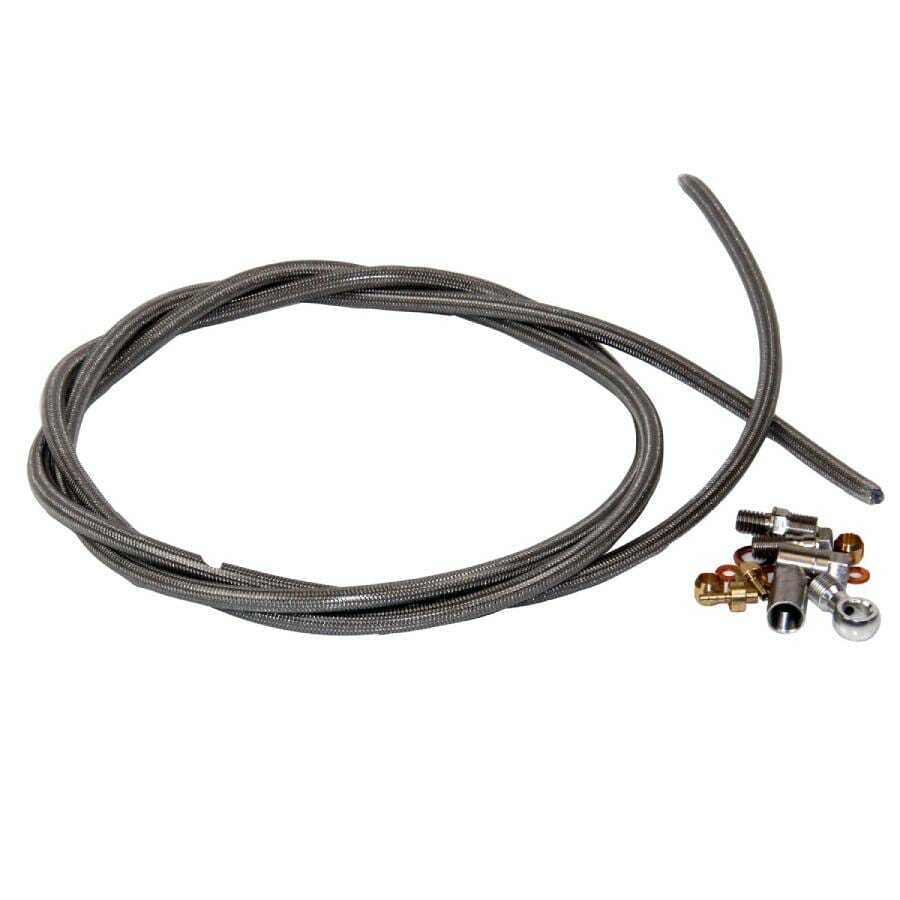
The Hope Stainless Steel Braided Hose Kit is a replacement or upgrade brake hose kit for Hope hydraulic disc brakes. It is the kind of part riders usually notice only when they need to shorten a brake, replace damaged hose, rebuild an older brake, or choose between standard black hose and the braided stainless option.
The appeal is obvious: braided hose looks tougher, feels more premium, and suits Hope’s rebuildable brake style. The catch is that hose choice is not just cosmetic. The fitting type, brake generation, caliper end, lever end, hose length, fluid, and bleed process all have to line up.
Quick Verdict
The Hope Stainless Steel Braided Hose Kit makes sense if you are rebuilding Hope brakes, replacing damaged hose, or deliberately choosing a tougher-looking hose for a custom build. It is most useful for riders who are already comfortable bleeding Hope brakes or who are paying a mechanic to do the job properly.
It is not the first upgrade I would buy for more braking power. Hose can affect feel and durability, but pads, rotor size, rotor thickness, caliper condition, lever setup, and bleed quality usually matter more. Buy the braided kit because it is the correct hose for the job, not because you expect it to transform a weak brake on its own.
Who It Is For
This kit is mainly for Hope brake owners who need a replacement hose or want a braided hose during a fresh install. It is also useful for custom builds where the brake line length needs to be changed, or where a frame rub point has damaged the existing hose.
- Riders replacing a cut, kinked, or worn Hope brake hose.
- Mechanics rebuilding older Hope brakes.
- Custom bike builds where hose length and finish matter.
- Riders who prefer braided hose for appearance and abrasion resistance.
- Owners who already plan to bleed the brake after hose work.
Type 0, Type 2, And Tandem: Why The Ends Matter
The important buying detail is the fitting type. Hope hose kits are not all the same. Type 0, Type 2, and tandem-style kits exist because Hope has used different caliper and lever fittings across brake families and use cases.
Before ordering, identify the exact brake model and the hose-end style you need. A hose that is the correct length but has the wrong banjo or fitting end is still the wrong hose. If you are unsure, use the brake’s exploded diagram or service document before guessing.
Hope’s brake document library includes current and older instructions, exploded views, and bleed procedures. That matters because a Tech 4, Tech 3, older Tech Evo, Trial, tandem, or road/gravel brake may not use the same hose path or fitting details.
What Braided Hose Actually Changes
Stainless braided hose mainly changes the hose construction. Compared with a plain standard hose, it can offer a tougher outer layer and a more premium visual finish. Some riders also prefer the lever feel of braided hoses because the hose can feel less vague under pressure.
That does not mean braided hose is a guaranteed performance upgrade. In a MTBR discussion about stainless braided brake hoses, riders generally frame the benefit around durability, abrasion resistance, looks, and possible firmness rather than a night-and-day braking-power jump. That is the useful expectation to keep.
If your brake feels weak, fix the basics first: bleed quality, pad compound, rotor condition, rotor size, caliper piston movement, and lever setup. Braided hose can be the right part, but it is not a cure for every brake complaint.
Install Difficulty
Hose replacement is not difficult for a trained mechanic, but it is not a casual cosmetic swap. Opening the hydraulic system means you need correct fittings, DOT-fluid handling, clean cuts, careful assembly, and a proper bleed.
Hope’s Tech 4 bleed instructions show the level of care expected when bleeding modern Hope brakes. Even if your brake is not a Tech 4, the general lesson is the same: hose work should finish with a clean bleed and leak check, not just a quick lever squeeze in the stand.
There is also a practical cutting issue. In rider discussions about braided hoses, one common warning is that braided lines can be less pleasant to cut cleanly than standard hose. Use a proper cutter, avoid frayed ends, and do not reuse crushed or damaged fittings.
What To Check Before Buying
- Exact Hope brake model and generation.
- Correct hose-kit type for the lever and caliper ends.
- Front or rear length requirement.
- Whether the frame uses internal routing.
- Whether the hose needs to pass through tight frame ports.
- Correct olive, insert, banjo, or fitting hardware.
- DOT-fluid compatibility and bleed tools.
- Whether you need one hose or a pair.
Internal routing deserves special attention. A braided hose may be less forgiving through tight ports than a standard hose, and the fittings can limit what can be fed through the frame. If the bike has internal hose routing, plan the job before cutting anything.
Best Use Cases
The braided hose kit is easiest to justify on bikes that see real abuse: enduro bikes, downhill bikes, e-MTBs, bike-park bikes, and custom builds where the hose is more exposed. It also makes sense on bikes where the current hose is already damaged or too short after a cockpit change.
For lighter trail bikes or road/gravel brakes, standard hose may be completely fine. Braided hose is not wrong there, but the benefit is smaller unless you specifically want the finish, durability, or matching Hope look.
Real Rider Notes
Real reviews of the exact hose kit are sparse, so it would be misleading to pretend there is a huge owner-review consensus. The useful feedback is mostly from people who have installed braided hydraulic hose or compared braided and standard brake lines.
In a r/bikewrench hydraulic hose replacement discussion, the practical advice centers on using the right inserts and olives and bleeding the brake correctly after hose work. That is the same caution I would apply here. The hose itself is only one part of the system.
On Hope-specific brakes, forum discussions often circle back to serviceability and bleed quality. A braided kit fits that serviceable approach, but it still depends on careful installation. If the hose is cut badly, routed badly, or bled badly, the brake will not feel premium just because the hose is stainless braided.
Pros
- Tougher-looking, premium hose option for Hope brakes.
- Useful for damaged, short, or worn hose replacement.
- Good match for custom Hope builds and color-matched bikes.
- Can improve abrasion resistance where hose rub is a concern.
- Fits Hope’s rebuild-and-service approach to brake ownership.
Cons
- Correct fitting type is critical.
- Usually requires cutting, assembly, DOT-fluid handling, and bleeding.
- Not a guaranteed braking-power upgrade.
- Can be more awkward to cut and route than standard hose.
- Internal routing can make the job more complicated.
Who Should Skip It
Skip the braided kit if your current hose is healthy and you only want more power. Try pads, rotor size, rotor condition, caliper service, and a proper bleed first. Also skip it if you cannot identify the correct hose type for your brake.
If you are not comfortable working with DOT brake fluid, hose inserts, olives, and bleeding, buy the correct hose but let a shop install it. A brake hose job is not the place to learn by guessing.
Alternatives To Consider
The main alternative is Hope’s standard hose or a model-specific original replacement hose. Standard hose can be easier to cut, route, and live with, especially on internally routed frames. If your priority is simple maintenance rather than custom looks or extra abrasion resistance, standard hose may be the cleaner choice.
If the real issue is lever feel, consider a bleed kit, fresh DOT fluid, new pads, rotor inspection, or caliper piston cleaning before replacing the hose. If the hose is physically damaged, then a replacement hose kit becomes the right repair.
FAQ
Will braided hose make my Hope brakes more powerful?
Not by itself. It may affect feel and durability, but braking power still depends heavily on pads, rotors, calipers, setup, and bleed quality.
Can I fit the kit without bleeding the brake?
No. If you replace or shorten a hydraulic hose, expect to bleed the brake properly afterward.
Which type do I need?
Match the hose kit to the exact Hope brake model and fitting style. Do not choose Type 0 or Type 2 by appearance alone if you are unsure.
Is braided hose better for internal routing?
Not necessarily. Braided hose can be tougher, but internal routing can be more awkward because of stiffness and fittings. Check the frame ports and routing path first.
Is it worth it?
Yes, if you need a replacement hose and want the braided finish or extra toughness. No, if the existing hose is fine and you are trying to solve a brake problem that is really pads, rotors, air, or caliper setup.