Are Hope Hubs Good? Durability, Noise, Bearings, Freehub Options, and Real-World Tradeoffs
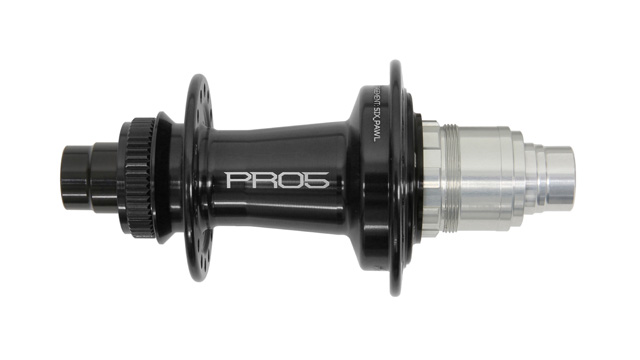
Yes, Hope hubs are good if you want a serviceable, rebuildable, widely supported hub platform and you are willing to pay more than budget hub money. They make the most sense for riders who value spare parts, axle and freehub options, easy service access, and a hub that can stay in use for years rather than being treated as disposable.
They are not perfect, and they are not automatically the best hub for every rider. The real answer is more useful than simple praise: Hope hubs are strong on serviceability, fitment options, and long-term support, but bearing life, sound, engagement feel, and used-hub condition still depend on the exact model, setup, maintenance, and riding load.
Quick verdict
Hope hubs are worth buying when the rest of the wheel build deserves a good hub. If you are building a proper mountain-bike wheel, want swappable end caps, need modern freehub choices, and like the idea of servicing rather than replacing parts, Hope belongs on the shortlist.
If you only want the cheapest rear hub, the quietest possible freehub, or the lightest race-only option, Hope may not be the cleanest answer. The brand’s value is more about durable machining, spares, service diagrams, compatibility parts, and a long product ecosystem.
What Hope hubs are known for
Hope has built a reputation around machined aluminium parts, sealed cartridge bearings, strong color options, spare availability, and hub platforms that can be rebuilt. Hope’s hub documents page is a good example of that approach: exploded views, freehub assemblies, PCD charts, conversion notes, and older hub documents are all still available in one place.
That matters because hub ownership is not just the first ride. Bearings wear, freehub bodies get changed, axles and end caps need to match frames, and cassette standards change. A hub with good documentation and spares has a better chance of staying useful.
Where Hope hubs are strong
The main strengths are serviceability and compatibility. Hope’s current Pro 5 148mm Boost rear hub page lists modern freehub body options, easily swapped end spacers, 6-bolt or Centrelock disc fitting, multiple spoke drillings, and a rebuildable design. Those details are exactly what a wheel builder or long-term owner wants to see.
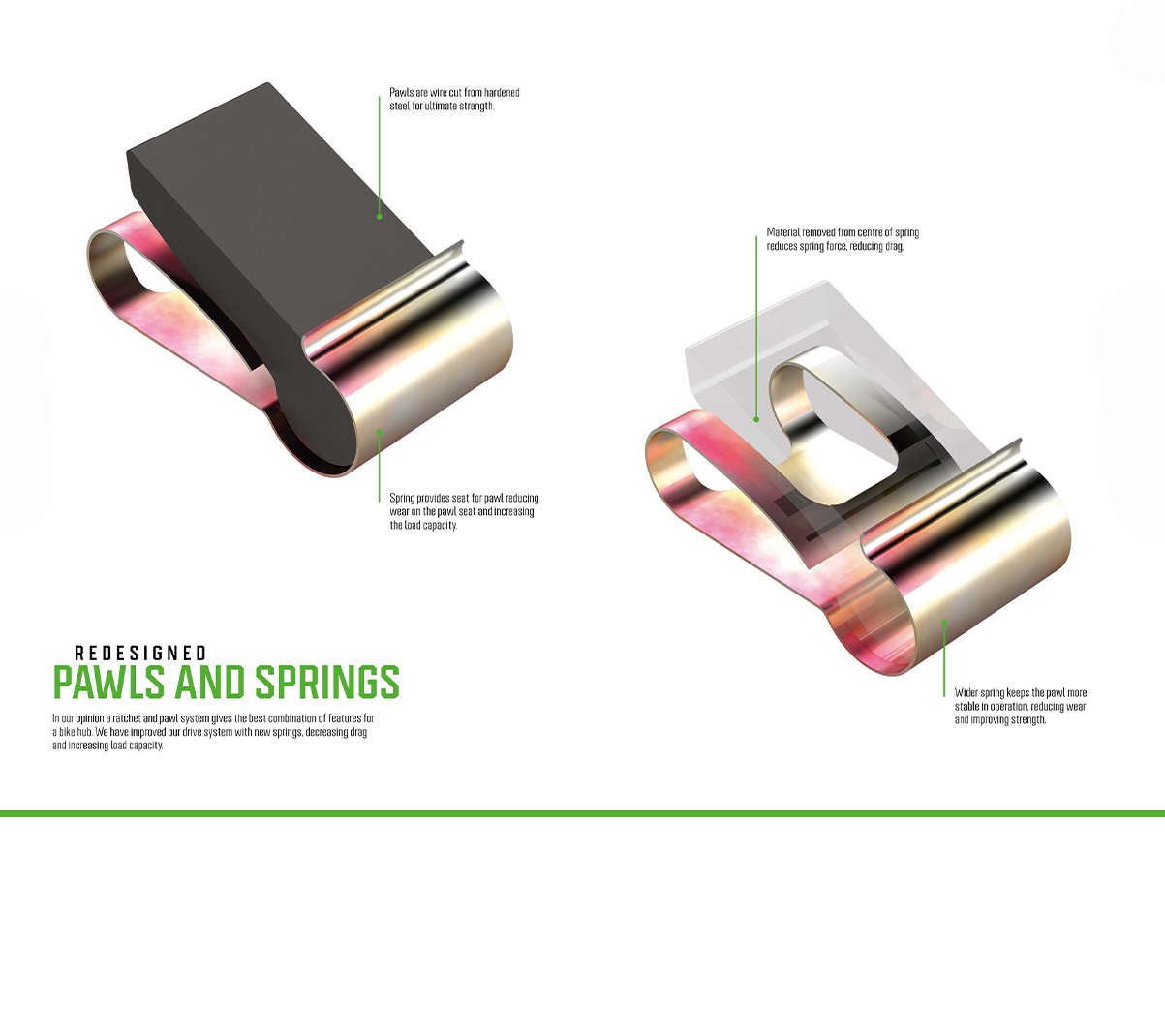
Hope also tends to support older hubs better than many brands. That does not mean every part fits every generation, but it does mean riders can often identify the exact hub, find the right diagram, and buy a freehub body, bearing kit, axle, seal, pawl, spring, or end-cap part instead of throwing away a whole wheel.
Where Hope hubs can disappoint
The biggest disappointments are usually expectation problems. Some riders expect every Hope hub to be loud. Some expect every Hope hub to last forever with no maintenance. Some buy the wrong axle spacing or freehub body and then blame the hub when it does not fit the bike.
Hard riders can still break parts. In an EMTB Forums reliability discussion, one experienced rider pushes back against the idea that Hope hubs are indestructible and lists failures from heavy use. That is useful context: Hope hubs are serviceable and popular, but they are still mechanical parts under load.
Bearings and maintenance
Hope hubs use cartridge bearings, so bearing condition is one of the big ownership checks. Wet riding, pressure washing, winter grit, heavy e-bike loads, and neglect can shorten bearing life. That is not unique to Hope, but it is a common reason any hub starts feeling rough.
A SingletrackWorld bearing discussion points out a practical issue: genuine Hope stainless bearings may cost more, but some freehub bearing sizes are awkward enough that sourcing random replacements is not always worth the hassle. The takeaway is simple: replace bearings with the right size and quality, and do not treat a rough bearing as a mysterious hub failure.
Engagement: Pro 5 changed the feel
Engagement is where the newer Pro 5 makes the strongest technical case. Hope’s Pro 5 launch notes say the hub increased engagement from 44 to 108 points using an offset six-pawl design. That gives quicker pickup than the older Pro 4 platform.
Whether that matters depends on where you ride. Slow technical climbs, trials-style moves, awkward restarts, and tight switchbacks make hub pickup obvious. Flowing descents and casual trail riding make it less important. Faster engagement is useful, but it is not the only reason to choose a hub.
Sound: Hope hubs are not all the same
Hope hub sound is part of the brand’s reputation, but the Pro 5 has made the conversation less predictable. In a SingletrackWorld Pro 5 discussion, riders compare Pro 5 sound with Pro 4 and louder high-engagement hubs, and the feedback is not one neat answer.
A Pinkbike thread about Pro 5 sound shows the same problem from another angle: some riders expected more buzz and found the hub quieter than expected. Grease, service state, freehub version, and personal comparison point all affect what a rider hears.
So do not buy Hope only because you want a loud hub. Buy it because the hub fits the wheel build and service plan. Treat sound as a side effect.
Freehub and axle options are a major reason to buy Hope
Hope hubs are attractive when you need to match modern drivetrain standards. Shimano HG, Shimano MicroSpline, SRAM XD, XDR, e-bike-specific options, and axle/end-cap conversions all come up in real ownership. The important part is matching the exact hub generation and freehub body to the cassette and frame.
This is where Hope’s documentation helps, but it does not remove the need to check. A Pro 2 Evo freehub body, Pro 4 freehub body, and Pro 5 freehub body are not automatically interchangeable. Identify the hub first, then choose the driver.
Are Hope hubs good for e-bikes?
They can be, but e-bike use raises the load. More bike weight, more torque, and more repeated impacts make rear-hub condition more important. Hope offers e-bike-specific Pro 5 hub/freehub options, which is the correct direction if the bike is heavy or motor-assisted.
For e-bike use, I would be more conservative about maintenance. Check bearing condition, freehub play, axle/end-cap fit, and spoke tension more often. Do not assume a standard lightweight wheel build is the right match for a heavy e-MTB.
Who should buy Hope hubs?
- Riders building a wheel they want to keep for years.
- Riders who value rebuildable parts and service diagrams.
- Mountain bikers who need modern axle, disc, spoke, and freehub options.
- Riders who want easier long-term parts support than many cheaper hubs offer.
- Wheel builders who want clear hub dimensions and practical spares availability.
Who should skip Hope hubs?
- Riders looking only for the cheapest possible hub.
- Riders who hate audible freehub noise and cannot check the exact model first.
- Weight-focused racers chasing the lightest possible wheel build.
- Anyone buying used without checking axle spacing, freehub body, bearings, and hub generation.
- Anyone assuming one Hope part fits every Hope hub generation.
Buying checklist
Before buying a Hope hub or wheel built around one, check these details:
- Front or rear hub version.
- Frame or fork axle spacing and axle diameter.
- Brake mount: 6-bolt or Centrelock.
- Spoke count and whether the rim drill count matches.
- Freehub body: HG, MicroSpline, XD, XDR, road, e-bike, or single-speed/trials version.
- End-cap availability for your frame or fork.
- Bearing condition if the hub is used.
- Whether the exact generation is Pro 2, Pro 2 Evo, Pro 4, Pro 5, RS4, Fatsno, or another Hope model.
Related Hub Fitment Support
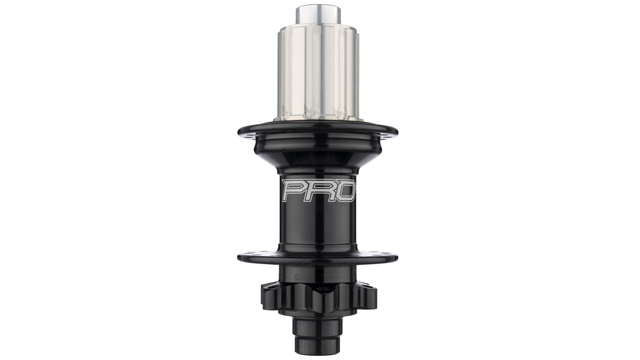
If you already know you want the newer rear hub platform, the product-specific next step is the Hope Pro 5 148mm Boost rear hub review. It covers 148×12 Boost fitment, rotor mount choice, freehub body selection, 108 POE, and e-bike-part warnings.
If you are comparing old and new Hope platforms, read the Hope Pro 5 vs Pro 4 hub comparison before deciding whether the newer hub is worth it for your wheel.
Bottom line
Hope hubs are good for riders who want a serviceable, well-supported hub platform with real fitment options. The Pro 5 is the best default for a new modern mountain-bike wheel build. Older Pro 4 and Pro 2 Evo hubs can still make sense when the wheel is healthy and the correct parts are available.
The caution is not that Hope hubs are bad. The caution is that people often buy hubs badly. Identify the exact model, match the axle and freehub body, check bearing condition, and choose based on the wheel you are building, not just the sound you expect.
FAQ
Are Hope hubs reliable?
They have a strong reputation for serviceability and long-term parts support, but they are not indestructible. Bearing life, freehub condition, axle fit, and riding load still matter.
Are Hope Pro 5 hubs better than Pro 4?
For a new build, usually yes. Pro 5 has faster engagement and updated sealing/freehub details. A healthy Pro 4 wheel can still be worth keeping.
Are Hope hubs loud?
Some are, but not all Hope hubs sound the same. Pro 5 sound feedback is mixed, and grease/service state changes the noise.
Can I change a Hope hub to a different cassette standard?
Often yes, but only with the correct freehub body for the exact hub generation. Do not assume Pro 2, Pro 2 Evo, Pro 4, and Pro 5 parts interchange.
Are Hope hubs good for wheel building?
Yes, especially because Hope publishes hub documents and dimensions. Still, the spoke count, brake mount, axle standard, and rim choice must match the build.
When judging a wheel upgrade, separate hub feel from tire setup. A good hub can still feel ordinary if the tire pressure is far off, so use the tire pressure calculator as a quick baseline before making conclusions about the whole wheel.