Hope RX Stem Review: 70mm/90mm XC Fitment, 31.8 Clamp, and Setup Notes
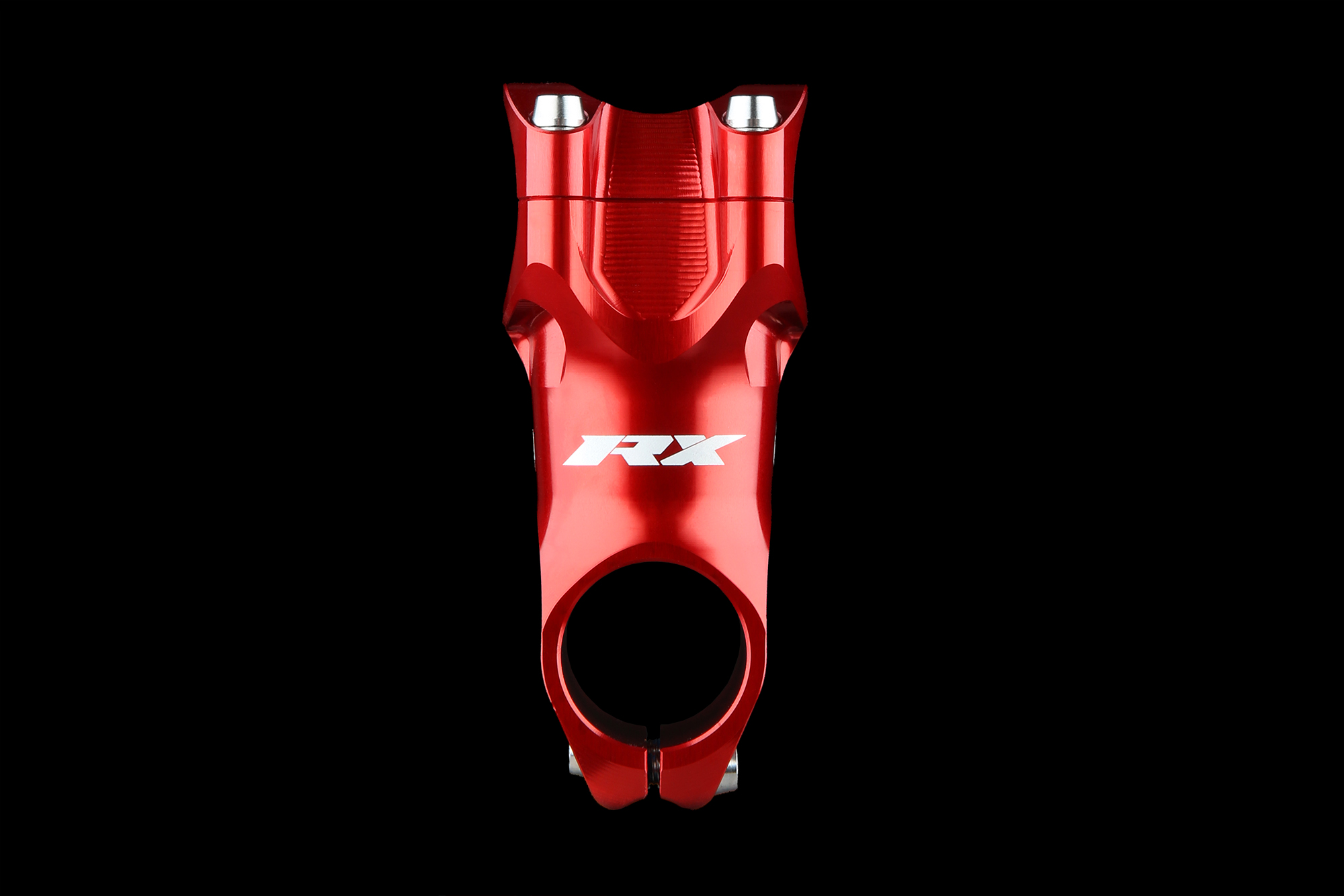
The Hope XC Stem search can be slightly confusing now because Hope’s current page lists the lightweight gravel and cross-country option as the RX Stem. The useful point is simple: this is the Hope stem family for riders who want a lighter cockpit part for XC, downcountry, gravel, or fast trail use, not the burlier Gravity or direct-mount stem.
If you are looking at the older 70mm 0-degree XC stem listing, the checks are still the same: bar clamp diameter, steerer diameter, stem length, rise, stack space, bolt condition, and whether the riding style actually suits a lightweight stem.
Quick Verdict
The Hope RX/XC stem makes sense if you want a machined aluminium stem for a cross-country, downcountry, gravel, or light trail cockpit and your bike matches the available length and clamp options. Hope’s RX Stem page lists 70mm and 90mm versions with 0 degree rise, plus an 80mm version with -15 degree rise.
It is not the right starting point for every mountain bike. If you are building a hard-hitting enduro or downhill cockpit, Hope’s stem range separates RX from Gravity, TR, and direct-mount stems for a reason. Pick the stem family by riding style first, then choose length and clamp size.
Key Specs and Fitment Checks
| Current Hope model family | RX Stem |
|---|---|
| Older search/product intent | Hope XC Stem, especially 70mm 0 degree and 31.8mm bar clamp listings |
| Best use | Gravel, cross-country, downcountry, and lighter fast trail setups |
| Available length/rise on Hope page | 70mm 0 degree, 80mm -15 degree, 90mm 0 degree |
| Material | CNC-machined 2014-T6 aluminium, according to Hope |
| Bolt option | Titanium bolt upgrade kit available |
| Colors | Black, silver, smoke, blue, red, purple, and orange |
| Main caution | Confirm bar clamp, steerer fit, length, rise, spacer stack, and riding use before buying |
XC Stem vs RX Stem Naming
Older shop listings and rider searches often say Hope XC Stem. Hope’s current product page says RX Stem and describes it as designed for both gravel and cross-country riding. That means a rider searching for the XC stem should not blindly buy by name alone. Check the actual length, rise, clamp diameter, and product generation.
For a 70mm 0-degree stem, the question is usually cockpit reach. It can suit a bike that needs a longer, lower, more stretched position than a modern short trail stem. It can also be the wrong choice if your frame already has long reach or you prefer a shorter, more upright cockpit.
70mm vs 90mm vs 80mm -15 Degree
The 70mm and 90mm zero-rise options are the straightforward XC-style choices. The 70mm option is the safer middle ground for many modern cross-country and downcountry bikes. The 90mm option is more specific: it suits riders and frames that genuinely need more reach at the bar.
The 80mm -15 degree RX option is different. It is for riders trying to lower the cockpit, often on gravel or race-focused XC setups. That can be useful, but it is not automatically better. A lower front end can improve position for some riders and make handling worse or comfort poorer for others.
Bar Clamp and Steerer Checks
Do not buy a stem by color first. Check the handlebar clamp diameter and steerer standard. The common older XC listing is 31.8mm bar clamp, but stem families and bars now vary, and Hope’s wider stem range includes different clamp directions across models.
Also check stack height. A stem can match the bar and steerer and still be awkward if the steerer is too short, the headset stack is wrong, or the spacer arrangement does not allow safe clamping. If the steerer clamp area is marginal, stop and measure before installing.
Installation Notes
Use Hope’s RX Stem instructions rather than guessing torque or bolt sequence. The public PDF is the right reference point for fitting order and safety checks.
The practical install logic is standard but important: clean contact surfaces, use the correct steerer and handlebar fit, tighten bolts evenly, align the bar and front wheel, and recheck after the first ride. If the handlebar slips, the steerer creaks, or bolts do not tighten smoothly, do not keep riding it as-is.
Who Should Buy It
Buy the Hope RX/XC stem if you want a premium machined stem for a lighter bike and the geometry checks make sense. It suits riders who want a clean aluminium stem, Hope color matching, and a cockpit part aimed at XC, gravel, and fast trail use.
It also makes sense if your current stem length is wrong and you have confirmed that a 70mm, 80mm, or 90mm option will put the bar where you actually want it.
Who Should Skip It
Skip it if you are building a gravity, downhill, or aggressive enduro cockpit and need a shorter, burlier stem. In Hope’s own lineup, Gravity, TR, and direct-mount stems exist for different jobs.
Also skip it if you are only buying for color and have not checked fit. A stem changes reach, steering feel, weight distribution, and comfort. A good-looking stem in the wrong length is still the wrong stem.
Used-Buy Checks
If you are looking at a used Hope XC stem, inspect the steerer clamp, handlebar clamp, faceplate, bolt heads, threads, and any marks around the clamp area. Cosmetic scratches are one thing. Cracks, crushed clamp areas, damaged threads, or unknown bolts are different.
Be especially cautious with stems that were overtightened or used with the wrong bar diameter. Stems are safety-critical parts, so a questionable used stem is not worth saving a small amount of money.
Related HometownBikes Reading
If you want the heavier-duty stem direction, read the Hope Gravity Stem review. For related cockpit fitment, the Hope headset guide is useful when the front end is being rebuilt rather than just changing stem length.
Cockpit fit is tied to front-end feel, but tire pressure changes that feel too. If an XC or gravel bike feels skittish after a stem swap, check the setup with the gravel tire pressure calculator before changing stem length again.
Bottom Line
The Hope RX/XC stem is a good fit for riders who want a premium, machined, lightweight Hope stem for gravel, XC, downcountry, or fast trail setups. The 70mm and 90mm zero-rise options make the most sense for riders chasing a traditional XC-style cockpit position. The 80mm -15 degree version is more race-position specific.
Do not buy it by anodized color alone. Confirm length, rise, bar clamp, steerer fit, stack, and riding style first. If those line up, the RX/XC stem is a sensible Hope cockpit option.
FAQ
Is the Hope XC Stem the same as the Hope RX Stem?
Hope’s current page lists the RX Stem for gravel and cross-country riding. Older listings and searches may still use XC Stem wording, so check the exact length, rise, clamp size, and product generation before buying.
What lengths does the Hope RX Stem come in?
Hope lists 70mm and 90mm options with 0 degree rise, plus an 80mm option with -15 degree rise.
Who is the Hope RX/XC stem for?
It is for gravel, cross-country, downcountry, and lighter fast trail bikes where the available length and rise options suit the rider’s cockpit position.
Should I choose 70mm or 90mm?
Choose by bike fit, not by looks. A 70mm stem is the safer starting point for many modern bikes. A 90mm stem is more specific and suits frames or riders that need extra reach at the bar.
Is the Hope RX/XC stem good for enduro or downhill?
Usually no. For harder gravity use, look at Hope’s Gravity, TR, or direct-mount stem options instead of treating the RX/XC stem as a universal MTB stem.