Hope RX Centre Lock Disc Review: 160mm Fitment, Clearance, and Road/Gravel Use
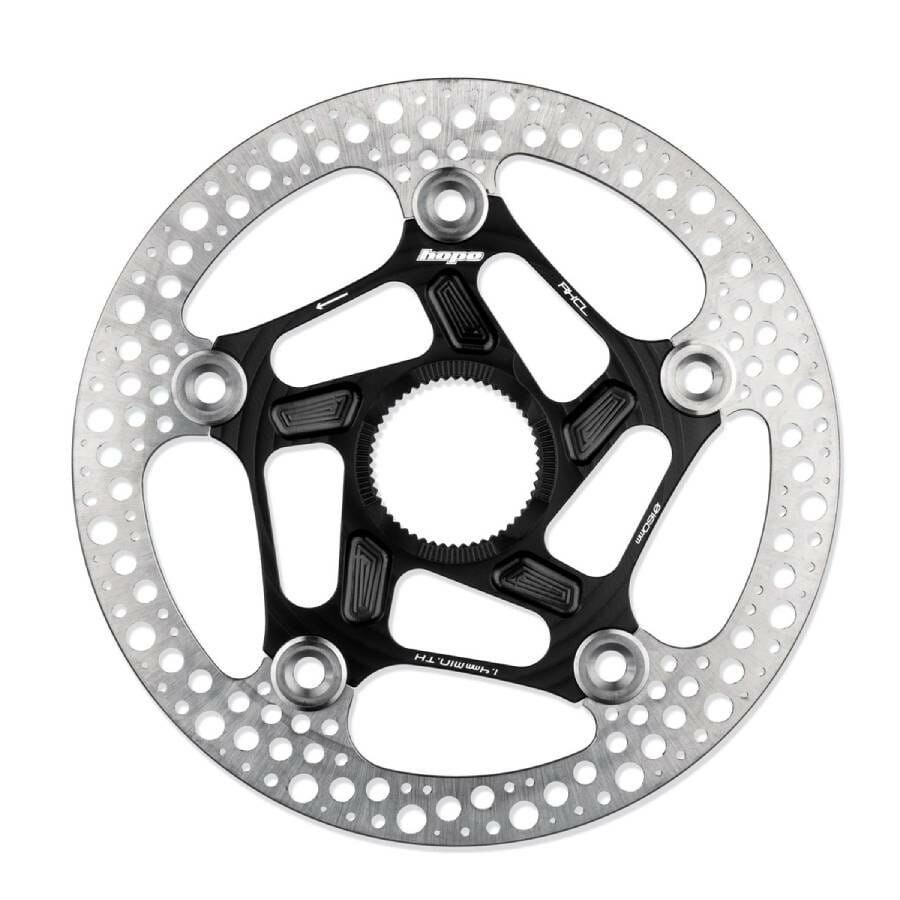
The Hope RX Centre Lock Disc is for road and gravel riders who want a Center Lock rotor with Hope’s floating rotor look, a steel braking track, and an aluminium carrier. It is not just a color-matched upgrade part. The real question is whether the rotor fits your hub, clears your caliper and frame, and makes sense for the way you brake.
This review focuses on the 160mm version because that is the size many riders choose for gravel, heavier road use, wet riding, and long descents. The key details are Center Lock fitment, lockring choice, floating-rivet clearance, brake-pad alignment, and whether a premium rotor is worth it over simpler one-piece options.
Quick Verdict
The Hope RX Centre Lock Disc makes the most sense if you already run Center Lock wheels and want a premium floating rotor for a road or gravel bike. The 160mm size is the safer pick for riders who care more about heat control and consistent braking than the lightest possible setup.
The catch is clearance. Hope itself tells riders to check for possible interference with the caliper mount, frame, and other parts before using this rotor. That is the detail I would treat seriously, especially with tight flat-mount calipers, small rear triangles, or any brake setup that already runs close to the rotor carrier.
Key Specs
Hope lists the RX Centrelock Rotor as a road-bike Center Lock application using its road disc and floating technology on a splined spider. The main specs are:
| Rotor type | Floating disc rotor |
| Hub fitment | Center Lock / Centrelock |
| Sizes | 140mm and 160mm |
| Construction | Steel braking surface riveted to an aluminium central carrier |
| Design intent | Floating design to handle temperature changes |
| Claimed weight | 121g |
| Lockring | Not supplied |
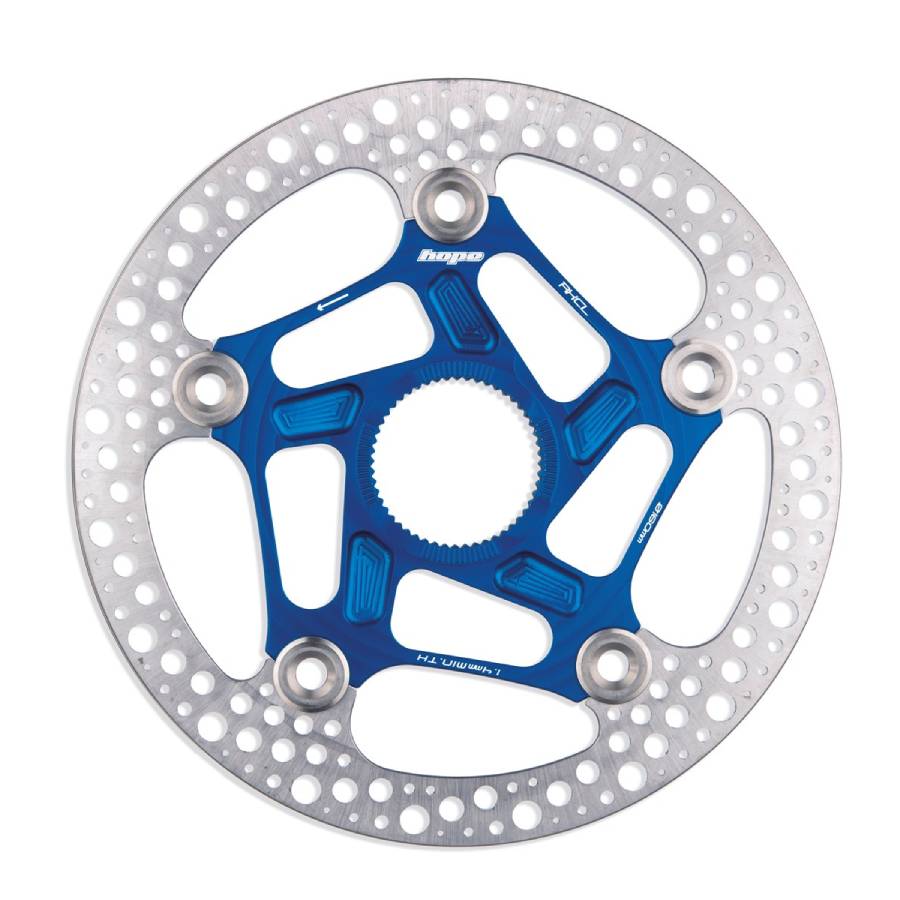
| Colors | Black, silver, smoke, blue, red, purple, orange |
The two specs that matter most are Center Lock fitment and the lockring not being supplied. If your wheels use 6-bolt hubs, this is not the rotor you want unless you are changing wheels or hubs. If your wheels use Center Lock hubs, make sure you already have the correct lockring for your axle and tool setup.
Center Lock Fitment: What To Check First
Center Lock is the splined Shimano-style rotor mount used on many road, gravel, and modern wheelsets. Instead of six small bolts around the hub flange, the rotor slides over splines and is held by a lockring.
Before buying this rotor, check four things:
- Your hub is Center Lock, not 6-bolt.
- Your brake system accepts the rotor size you want to run.
- Your frame or fork is approved for that rotor size.
- You have the correct lockring for your axle and tool interface.
The lockring detail is easy to miss because the rotor looks complete in product photos. Hope says the lockring is not supplied, so do not assume the box contains every part needed for installation.
160mm Vs 140mm
The RX Centre Lock Disc is available in 140mm and 160mm sizes. The 140mm size is usually the lighter, neater road choice when the rider is lighter, the terrain is flatter, and the frame is built around smaller rotors. The 160mm size gives more leverage and more heat capacity, which is why it is common on gravel bikes, heavier riders’ bikes, and road bikes used in mountains or wet conditions.
I would not choose the 160mm version just because it sounds stronger. Choose it because your bike allows it and your riding actually benefits from it. On a light road bike used mostly on flatter roads, 140mm may be enough. On a gravel bike with bags, long descents, or poor-weather use, 160mm is easier to justify.
Floating Rotor Design
The Hope RX Centre Lock Disc uses a steel braking surface riveted to an aluminium central carrier. Hope describes the floating design as a way to deal with temperature changes. The idea is that the braking track and carrier are not treated like one solid steel plate, so the rotor can better handle heat expansion.
That does not mean every rider will feel a night-and-day braking upgrade. Brake feel depends on the caliper, pads, hose setup, bedding-in, rotor size, rider weight, tire grip, and road surface. A good rotor can help consistency, but it cannot fix contaminated pads, poor caliper alignment, or an underpowered brake system.
The Clearance Warning Is Real
This is the section I would read before buying. Hope’s product page includes an important notice telling riders to make sure there is enough clearance and to watch for interference with the caliper mount, frame, and other parts.
That warning exists because floating rotors have rivets and a carrier shape that can sit closer to parts of the caliper, fork, frame, or adapter than a plain one-piece rotor. The braking track itself may line up normally, but the rivets or carrier can be the issue.
Rider discussions point to the same concern. In one r/bikewrench discussion about Hope Center Lock road rotors, the positive feedback came with a clear caveat: check that the rivets clear the caliper and frame or fork. In another RX Centre Lock clearance thread, the question was specifically whether protruding rivets would interfere with a Shimano XTR caliper.
That does not mean the rotor is broadly incompatible. It means this is not a blind-buy part for every brake. If you are pairing it with a compact road or gravel Hope caliper, read the Hope RX2 DOT caliper review before finalising the mount and rotor plan. If your current rotor already runs close to the caliper body, adapter, fork leg, or rear triangle, measure and inspect before fitting the Hope.
Brake Compatibility
There are two compatibility layers. The first is the normal rotor interface: Center Lock hub, correct size, correct caliper adapter, correct frame or fork approval. The second is physical clearance around the carrier and rivets.
A rider in a Center Lock hub and Hope brake discussion noted that rotor offset is generally standardized enough that different rotors and calipers can work, but that is still not a substitute for checking your actual bike. Standards get you close. Clearance is confirmed on the bike.
After fitting, spin the wheel in the stand and look at the whole rotation, not just one spot. Check for rubbing at the pads, caliper body, adapter, frame, and fork. If anything touches the rivets or carrier, stop and solve that before riding.
Installation Notes
A clean installation should look like this:
- Clean the hub splines before installing the rotor.
- Confirm the rotor direction if markings are present.
- Use the correct Center Lock lockring for your hub and axle.
- Torque the lockring to the hub or lockring maker’s specification.
- Re-center the caliper after changing rotors.
- Bed in pads properly before judging power or noise.
If you are changing from a worn rotor, inspect the pads too. Old glazed or contaminated pads can make a new rotor sound bad and feel weak. If the pads are questionable, replace or clean them before blaming the rotor.
Who Should Buy It
The Hope RX Centre Lock Disc is a good fit if you:
- Have Center Lock road or gravel wheels.
- Want a premium floating rotor rather than a basic one-piece steel rotor.
- Ride long descents, wet roads, gravel, or loaded bikes where heat and consistency matter.
- Want a 160mm rotor for more confident braking, assuming your frame and fork allow it.
- Like Hope’s anodized carrier colors but still care about the technical fit.
It is especially appealing on a road or gravel bike where the stock rotors feel thin, noisy, or heat-sensitive and the bike has enough clearance for the floating carrier.
Who Should Skip It
Skip it if your brake area is already tight. The RX Centre Lock rotor may fit many bikes, but Hope’s own clearance warning is enough reason to pause if your caliper, frame, or fork leaves very little spare room.
Also skip it if you just need an inexpensive replacement rotor. A simpler one-piece Center Lock rotor can be cheaper, easier to source, and less fussy around clearance. The Hope makes more sense when you actually value the floating design, finish, and premium construction.
If your bike uses 6-bolt hubs, do not buy this version by mistake. Choose the correct rotor interface instead of trying to force the wrong standard into the build.
Pros
- Premium two-piece floating construction.
- Center Lock fitment for modern road and gravel wheels.
- Available in 140mm and 160mm sizes.
- 160mm option suits heavier braking and gravel use well.
- Multiple Hope anodized carrier colors.
- Official product page clearly warns about clearance, which helps avoid bad installs.
Cons
- Lockring is not supplied.
- Floating rivets and carrier shape require clearance checks.
- More expensive than many basic replacement rotors.
- Not a fix for contaminated pads, poor bedding-in, or weak caliper setup.
- Not for 6-bolt hubs.
FAQ
Does the Hope RX Centre Lock Disc come with a lockring?
No. Hope lists the lockring as not supplied, so you need the correct Center Lock lockring separately.
Is the Hope RX Centre Lock Disc available in 160mm?
Yes. Hope lists the RX Centrelock Rotor in 140mm and 160mm sizes.
Is 160mm better than 140mm?
Not automatically. A 160mm rotor gives more leverage and heat capacity, but the frame, fork, caliper adapter, and riding style need to match. For flat road use, 140mm may be enough. For gravel, long descents, heavier riders, or loaded bikes, 160mm is easier to justify.
Will it work with Shimano or SRAM calipers?
It can, but do not assume every caliper and frame combination has enough clearance around the floating rivets and carrier. Check the actual bike after installation, and pay attention to Hope’s clearance warning.
Can I use this rotor on a 6-bolt hub?
No, this version is for Center Lock hubs. If your hub is 6-bolt, choose a 6-bolt rotor instead.
Why does a floating rotor make ticking sounds after braking?
Some riders notice small heat-related sounds as floating rotors cool. A little cooling noise is different from constant pad rub, scraping, or carrier interference. If the rotor rubs every wheel revolution, inspect the caliper alignment and clearance.
Bottom Line
The Hope RX Centre Lock Disc is a good premium rotor for the right road or gravel setup. The 160mm version makes sense when braking heat and consistency matter more than chasing the lightest possible build.
The buying rule is simple: confirm Center Lock fitment, get the right lockring, check that your frame and fork allow the rotor size, and inspect clearance around the floating carrier before riding. If those boxes are ticked, this is a sharp-looking and technically credible rotor. If any of those boxes are uncertain, sort the fit first.
Related setup help
For road and gravel bikes, rotor feel is only one part of control. Use the road bike tire pressure calculator or the gravel tire pressure guide if the bike feels harsh before you blame the brakes.